
Category: General FAQs
-

How do you attract butterflies to your garden?
Turning your garden into a welcoming spot for butterflies is easier than you might think. Jaret Daniels, a butterfly expert from the University of Florida, says it’s both practical and rewarding. By creating a friendly space for butterflies, you also help the environment. Gardens are important to butterflies for many reasons. They offer food, shelter,…
-
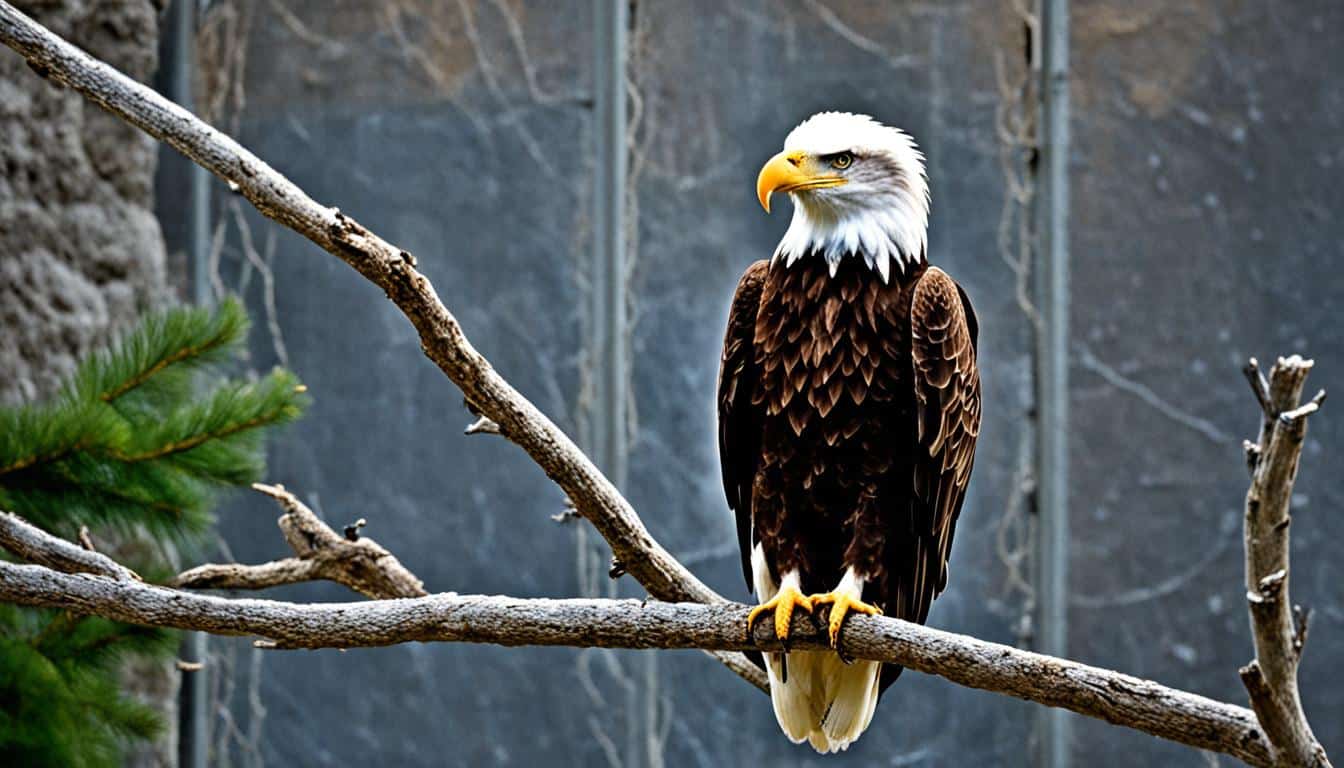
What is the lifespan of a bald eagle in captivity?
Generally, bald eagles in captivity live longer than those in the wild. Wild eagles usually live for 20 to 30 years. Yet, in captivity, they can live up to 50 years. This is because they are protected from dangers like diseases and predators. Additionally, wild eagles face threats that can be deadly, especially when they…
-
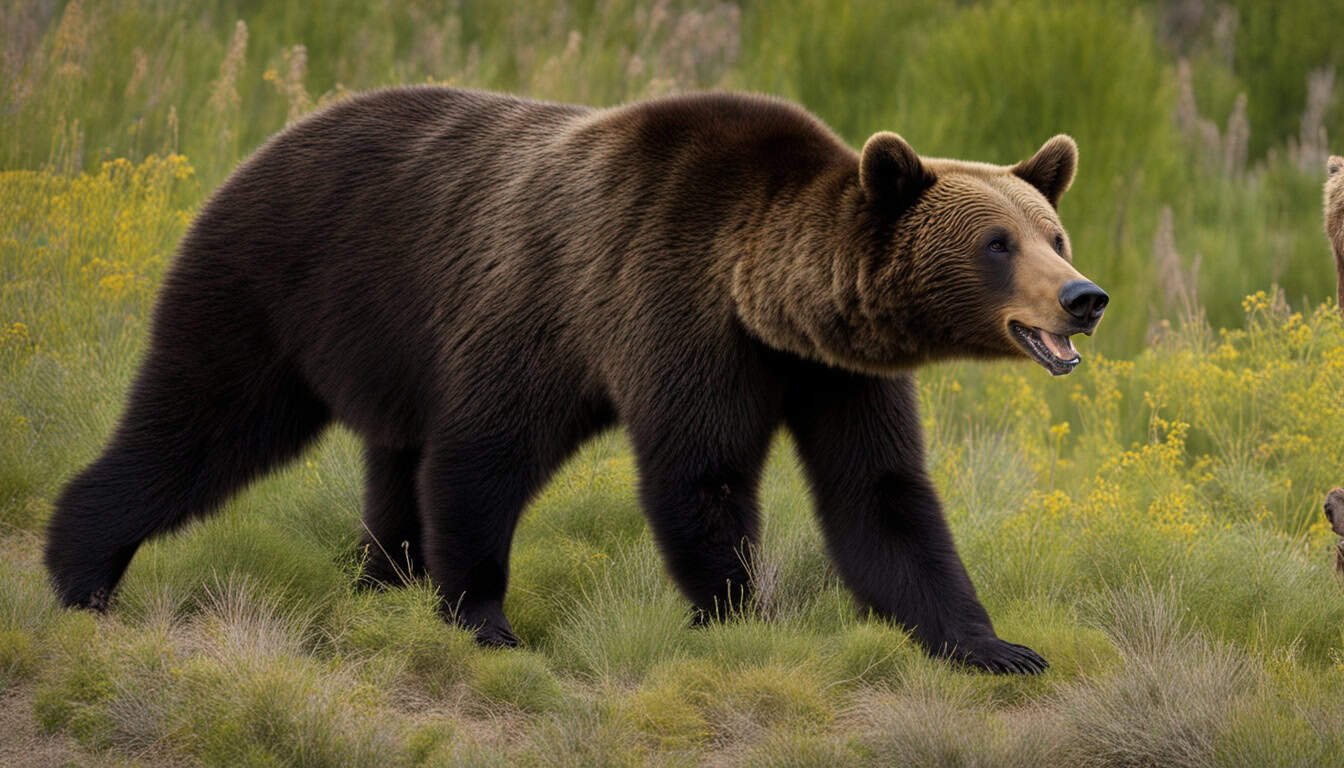
How do you distinguish between a black bear and a grizzly bear?
Ever wondered how to tell a black bear from a grizzly? It can seem tricky because they share some traits. But, focusing on details like shoulder humps and claw lengths is key. Not only for telling them apart but also for your safety and their protection. Understanding these key features can stop mix-ups. This is…
-
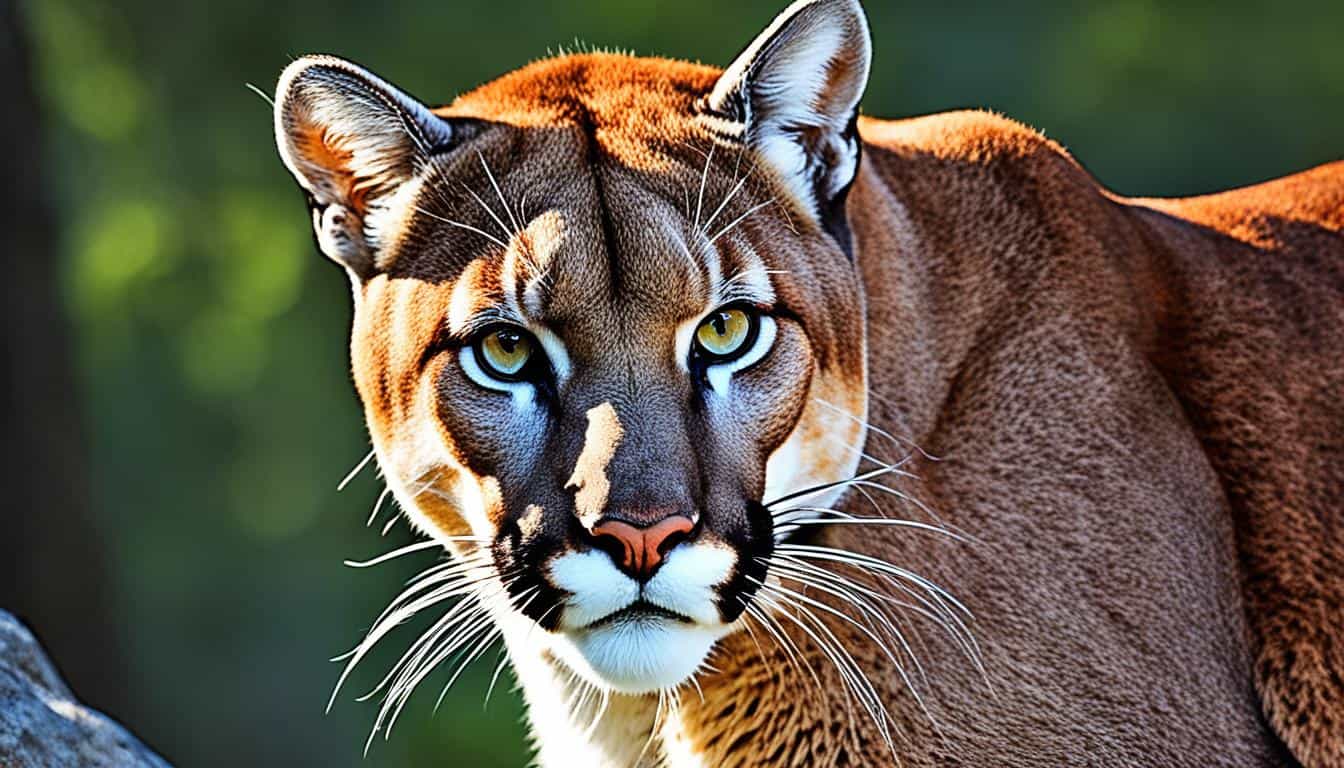
What is the range of the North American cougar?
The North American cougar (Puma concolor couguar) has lived across much of North America. It used to roam from western Canada and the U.S. to Mexico and Central America. Some even made it into South America, just northwest of the Andes Mountains. Its range in the east lessened because of humans, but the cougar stays…
-

Are there any wild gibbons in the USA?
Gibbons are not native to the United States. They live in the lush, tropical forests of Southeast Asia. This area is very different from the ecosystems in America. No wild gibbon populations exist in the USA. Zoo New England and Three Monkeys Wildlife Conservancy have worked to reintroduce gibbons. But, there are no gibbon living…
-
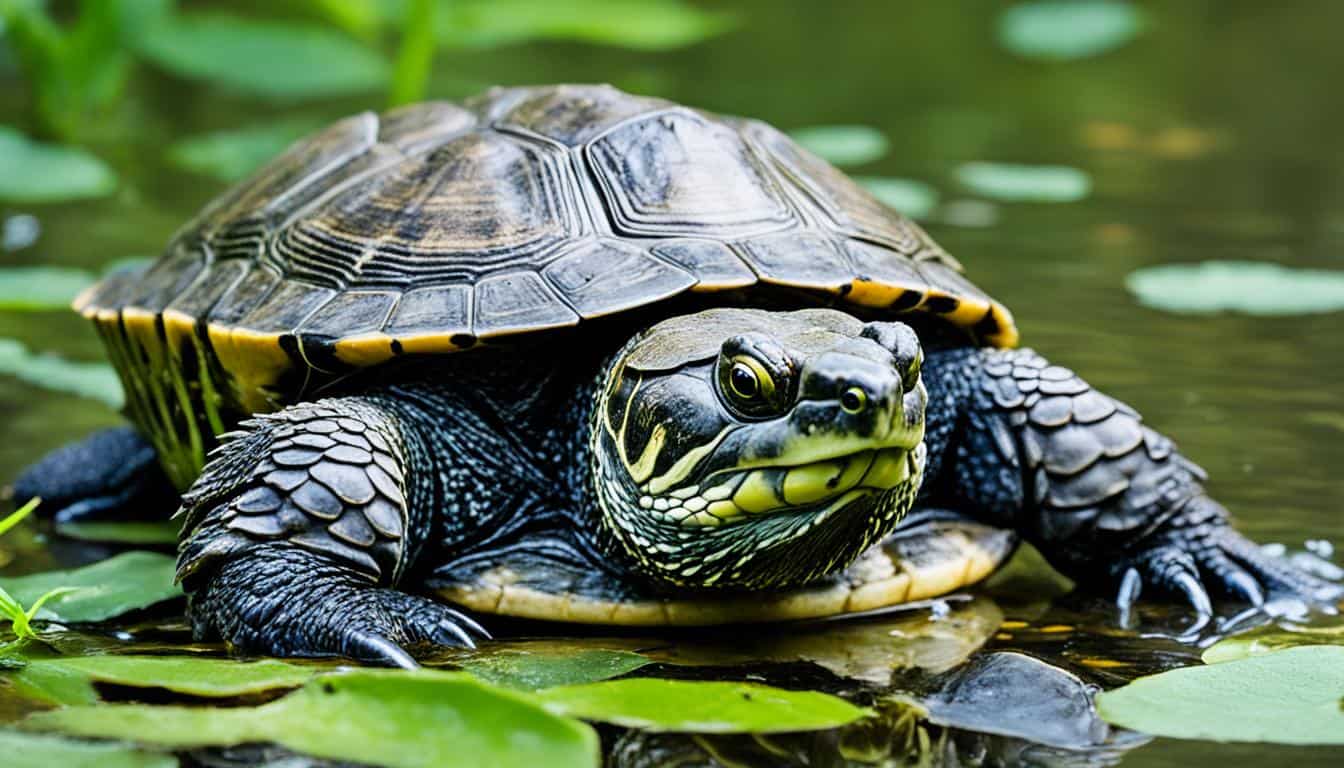
What is the diet of a common snapping turtle?
The common snapping turtle (Chelydra serpentina) is an opportunistic omnivore from North America. You can spot them by their long claws and sharp beaks. They have a unique diet that is mostly meat. Worms, snails, fish, and even birds or other turtles make up about 70% of what they eat. About 30% of a snapping…