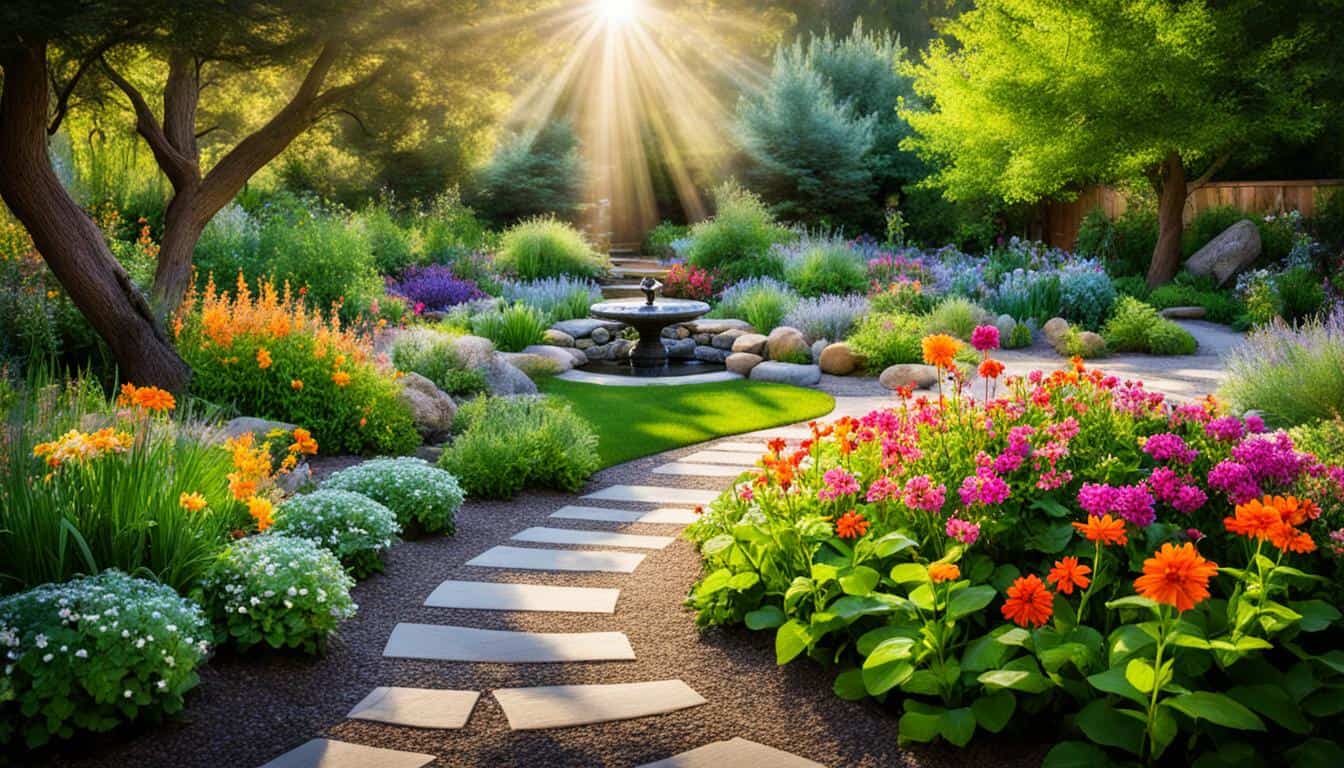
Turning your garden into a welcoming spot for butterflies is easier than you might think. Jaret Daniels, a butterfly expert from the University of Florida, says it’s both practical and rewarding. By creating a friendly space for butterflies, you also help the environment.
Gardens are important to butterflies for many reasons. They offer food, shelter, and places to lay eggs. By planting the right flowers and avoiding harmful chemicals, you can make your garden a butterfly haven.
Grow Native Plants for Butterflies
Creating a beautiful garden that butterflies love is simple. Just focus on using native plants. These plants are perfect for the local area, so butterflies flock to them.
Importance of Native Plants
Why are native plants so crucial for butterflies? Because they naturally fit the area’s weather and soil. They grow well without much work, making a great place for butterflies to live. Butterfly expert Jaret Daniels says the right native plants help both adult butterflies and their young.
Recommended Native Plants
Need help choosing plants that butterflies will enjoy? Talk to your local plant nursery or extension office. They know what’s best for the local environment. Some favorite plants include:
- Milkweed (Asclepias spp.) – a must-have for monarchs
- Joe-Pye weed (Eutrochium spp.) – loved by many butterflies
- Black-eyed Susan (Rudbeckia hirta) – draws various species
- Goldenrod (Solidago spp.) – perfect for late-season butterflies
Advantages Over Non-native Species
Using native plants for butterflies is much better than non-native. Here’s why:
| Feature | Native Plants | Non-native Plants |
|---|---|---|
| Adaptation | Well-suited to local conditions | Often need more care |
| Support for Local Wildlife | Essential for native butterflies | Could lack needed resources |
| Maintenance | Easy to care for | More prone to pests |
| Environmental Impact | Helps keep the ecosystem balanced | Can take over and harm local plants |
Choosing the right plants from a native nursery means you’re helping create a lush butterfly garden. It also does a lot for the local environment.
Attract Butterflies With Nectar Flowers
To brighten your garden with butterflies, plant a variety of nectar flowers. These flowers not only feed butterflies but also make your garden look beautiful. When picking nectar flowers, here’s what you should think about:
Popular Nectar Flowers
Some flowers are best at bringing pollinators to your garden. Butterfly bush, coneflower, and lantana are top picks. They provide the best nectar for butterflies. By planting lots of these flowers, you’ll create a paradise that attracts a variety of butterfly species.
How to Choose the Right Flowers
When choosing flowers, think about the color, when they bloom, and their height. Pick plants that vary in color and height to welcome more butterflies. Choose flowers that bloom at different times too, to feed pollinators throughout the year. Make sure the plants you choose can handle the sunlight or shade in your garden.
Field Guide Recommendations
Getting help from experts is great for choosing the best flowers for your area. Field guides offer insights into butterflies and their favorite nectar plants. Jaret Daniels suggests using these guides to make smart plant choices.
| Flower | Bloom Time | Butterfly Preference |
|---|---|---|
| Butterfly Bush | Summer to Fall | Monarchs, Swallowtails |
| Coneflower | Early Summer to Fall | Painted Ladies, Admirals |
| Lantana | Spring to Fall | Various Butterfly Species |
Add Butterfly Host Plants
To boost your butterfly garden’s health and variety, use butterfly gardening techniques. A key part of this is planting different butterfly host plants. These are essential for caterpillars, the first step in a butterfly’s life.
Monarch butterflies rely heavily on milkweed for monarchs as their caterpillars’ only food. Eastern black swallowtails thrive on plants from the parsley family, like dill and fennel. Including these special plants helps your garden attract and support more butterflies.
Here’s a table showing important host plants for different butterfly types:
| Butterfly Species | Host Plants |
|---|---|
| Monarch | Milkweed |
| Eastern Black Swallowtail | Parsley, Dill, Fennel |
| Painted Lady | Hollyhock, Sunflower |
| Gulf Fritillary | Passionflower |
By planting different butterfly host plants, you help various butterflies survive and thrive. A diverse range of plants increases your garden’s butterfly visitor numbers. It also makes your garden more eco-friendly. This shows that using the right plants is key in butterfly gardening techniques.
Create a Place for Caterpillars
Making your garden friendly for caterpillars is key to having more butterflies. You should set up your garden to help all stages of butterfly life, like the caterpillar and chrysalis parts.
Life Cycle of Butterflies
Butterflies go through four stages: egg, caterpillar, chrysalis, and adult. Caterpillars eat a lot then change into chrysalises. Knowing what caterpillars need at every step boosts your garden for butterflies
Safe Caterpillar-Friendly Practices
It’s important to garden in a way that’s safe for caterpillars. Planting different plants for them to eat and keeping them safe from danger is vital. Rather than using chemicals, picking off pests is better for caterpillars.
Avoiding Pesticides
Keeping your garden free from pesticides is crucial for caterpillars and all insects. Pesticides harm caterpillars and the good bugs. Using natural ways to control pests keeps your garden safe for caterpillars and butterflies.
Offer Shelter to Protect Butterflies
Butterfly safety in gardens is key. We need to give them places to hide from bad weather and predators. With the right butterfly shelters, these insects can do well in your garden.
Types of Shelter
Think about using dense shrubs, ornamental grasses, and perennial plants for butterfly shelters. These not only protect them from the weather but also keep them hidden from their enemies.
Natural vs. Artificial Shelters
It’s great to use natural shelters, but you can add artificial options too. Butterfly boxes offer a safe space during bad weather. Place them close to plants with nectar to make them better.
Importance During Bad Weather
Butterflies need help against wind, rain, and cold. Having the right shelter can protect them. This means they can keep pollinating like they should.
- Natural Shelters: Shrubs, grasses, and perennials
- Artificial Shelters: Butterfly boxes and houses
- Strategic Placement: Near nectar plants and sunny spots
Natural vs. Artificial Shelter Comparison
| Type | Benefits | Examples |
|---|---|---|
| Natural Shelters | Blends with the environment, provides natural protection | Shrubs, ornamental grasses |
| Artificial Shelters | Can be placed strategically, ensures safe retreats | Butterfly boxes |
Plant Trees for Butterflies
Adding trees to your garden makes it more attractive to butterflies. Trees like cottonwood and black cherry are great for butterflies. They offer food and shelter, and even act as nursery grounds for many butterfly types.

Trees also build essential dense habitats for butterflies. These areas provide shade, shelter, and an odd yet crucial food source – tree sap. A variety of tree types ensures every butterfly stage finds a home in your garden.
| Tree Species | Benefits for Butterflies |
|---|---|
| Cottonwood | Host plant for tiger swallowtails; provides tree sap for food. |
| Black Cherry | Supports larvae development; excellent nectar source. |
| Willow | Offers extensive shelter and foliage for numerous species. |
| Oak | Nutrient-dense leaves for caterpillars; robust shelter. |
Choosing and planting certain trees fosters a welcoming environment for butterflies. Trees do more than add beauty. They are key to a garden’s health, creating a place where butterflies can live and grow.
Attract Butterflies with Overripe Fruit
Butterflies find overripe fruit appealing. Using it in your garden is a great way to attract them. This method gives them a sweet treat that helps with their energy.
Types of Fruit to Use
Some fruits are better at catching butterflies’ attention. Bananas, oranges, and watermelons work well. Make sure these fruits are overripe or slightly fermented. This makes them even more alluring to butterflies because they are high in sugar.
Precautions to Take
Yet, there are some cautions with overripe fruit and butterflies. It can bring in pests like raccoons and ants. To avoid this, pick up any uneaten fruit overnight. This step will help you manage butterflies visiting, without the pests.
Additional Benefits of Overripe Fruit
Using overripe fruit has more than one advantage. It can draw in different butterfly species, increasing your garden’s variety. Plus, it’s a fun way to learn about how butterflies eat and explore their behaviors.
| Fruit | Attractiveness to Butterflies | Notes |
|---|---|---|
| Banana | High | Best used when fully brown and soft |
| Orange | Moderate | Offers a vibrant color and strong scent |
| Watermelon | High | Ensure to use the rind and flesh together |
Provide Butterfly Puddles and Muddy Spots
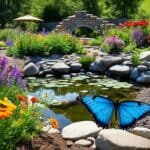
Attracting butterflies to your garden goes beyond adding flowers and bushes. It’s also about creating butterfly puddles and muddy spots. These areas are where male butterflies visit for minerals and water in a process known as “puddling.” Puddling is key to their health and energy.
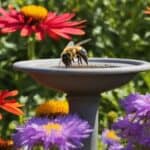
It’s easy to set up butterfly puddles in your garden. You can do this by keeping small, muddy sections or by making a special puddler. A DIY puddler can be a bowl or birdbath filled with moist sand and water. Add flat stones for the butterflies to rest on. This addition will really help your local butterfly community thrive.
Place these mud spots by plants that butterflies love to drink from. This improves their use. Also, remember to top up the water to ensure the mud remains moist. Butterfly puddles not only benefit these insects but also boost your garden’s overall health and harmony.
FAQ
How do you attract butterflies to your garden?
To attract butterflies, create a garden with nectar, shelter, and host plants. Avoid pesticides and use local plants They help local ecosystems thrive.
What is the importance of native plants for butterflies?
Native plants are important because they are best for local butterflies. They help adult butterflies and caterpillars. These plants are like a home and food for them.
What are some recommended native plants for a butterfly garden?
Ask a native plant nursery for the best plants for your area. They’ll know what butterflies like. Common choices are milkweed for monarchs and parsley for swallowtails.
What are the advantages of native plants over non-native species?
Native plants are easier to care for and match the local environment. They support local butterflies better than non-native plants.
Which nectar flowers are popular for attracting butterflies?
Butterflies love coneflowers, lantana, and zinnias. These flowers have lots of nectar and bright colors. They attract different kinds of butterflies.
How do you choose the right flowers to attract butterflies?
Choose flowers that are different heights and bloom at different times. This makes your garden pretty and a good food source for butterflies.
What field guide recommendations are useful for butterfly gardens?
Field guides help you learn what butterflies like and which plants are best. They also teach you how to make a good butterfly home.
What host plants should I add to my garden for butterflies?
Add milkweed for monarchs and parsley for swallowtails. This gives caterpillars food and helps the butterfly population grow.
What is the life cycle of butterflies?
Butterflies start as eggs, become caterpillars, then chrysalises, and finally butterflies. Each stage needs the right place to live.
What are safe caterpillar-friendly gardening practices?
Avoid pesticides and pick off pests by hand to protect caterpillars. Make sure caterpillars have a safe place to eat and grow.
Why should you avoid using pesticides in a butterfly garden?
Pesticides can hurt butterflies of all ages. Use natural ways to fight pests. This helps butterflies at every stage of life.
What types of shelter can you offer butterflies?
Butterflies need shelter from bad weather and predators. Use natural places like shrubs and grasses. Butterfly boxes can also help.
What is the importance of providing shelter during bad weather?
Shelters keep butterflies safe during harsh weather. Siting them in the sun helps butterflies warm up and stay active.
What role do trees play in a butterfly garden?
Trees provide many benefits for butterflies. They offer homes and food for certain types, making your garden more attractive.
How can overripe fruit attract butterflies?
Some butterflies like overripe fruit as food. It adds variety to their diet. Just remove the fruit at night to prevent pests.
What precautions should you take when using overripe fruit for butterflies?
To avoid attracting pests, take the fruit away at night. Put it high up so butterflies can find it but other animals can’t.
What are the benefits of providing overripe fruit in a butterfly garden?
Overripe fruit is rich in energy for butterflies. It brings different butterfly species to your garden.
How do you create butterfly puddles and muddy spots?
Make a muddy spot or a puddler with sand and a bowl of water. Butterflies get minerals and water from these spots.