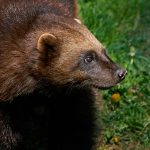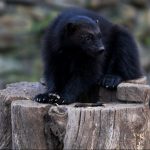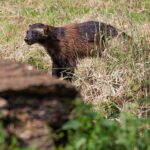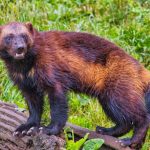
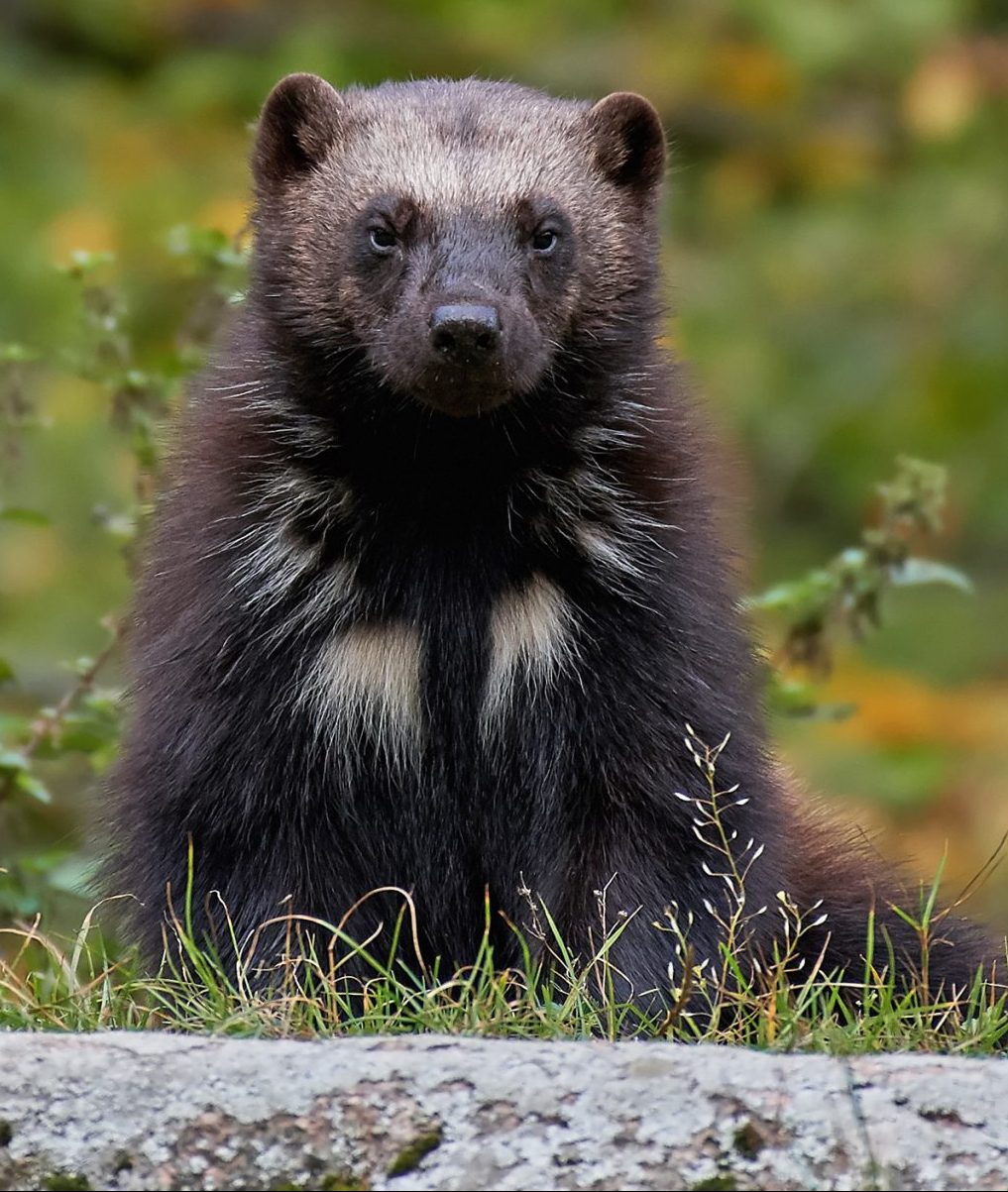
What they don’t eat might be a better question. A wolverine is a rodent of contradictions, about just the size of a medium-sized dog but resembling a tiny bear.

They protect territories larger than those ruled over by grizzly bears, weighing between 22 and 40 pounds 10 and 18 kilograms – the males are larger than the females 65 and 600 kilometers.
They do it fiercely, as evidenced by the fact that they’ve been seen to chase a wolf or even a giant bear away from a kill. Although there has never been a recorded attack on a human by a wolverine, according to the Alaska Department of Fish and Game, wolverines are hazardous to their fellow animals.
Wolverines, on the other hand, are omnivores who consume anything their sensitive scents lead them to, including moose, ground squirrels, mountain goats, carcasses buried meters beneath the ice and snow, and bird’s eggs, fruit, and so on. They’ll even kill and consume a hibernating animal by digging down beneath the snow.
Unlike many other Arctic animals, which cope with the long, harsh winters by hibernating or migrating to warmer climates, wolverines have a dense, frost-resistant coat which made them a popular target for fur trappers, paws as snowshoe, and the ability to bite down through frozen meat of animals and even bones, allowing them to stay outside year-round in the far north.
They’re also quite hyperactive, regardless of the season – one wolverine with a monitoring device in Grand Teton National Park walked almost 805 kilometers in two months.
“No matter what the terrain is like, they can go and go and go,” says Rebecca Watters, executive director of the Wolverine Foundation in Bozeman, Montana.
“They have fast metabolisms and do not go into the hibernation period, so they’re constantly on the move. They’ve also been seen to climb slopes and fall on the snow for no apparent reason.”
What Does A Wolverine Eat?
Carrion, small mammals, gophers, rabbits, and rodents are among the foods consumed by wolverines. They have sensitive noses and scour the countryside for food.
List of food Wolverines Eat:

- Beaver
- Insects
- Grubs
- Berries
- Roots
- Deer
- Elk
- Rabbits
- Voles
- Gophers
- Fox
Wolverines can detect carrion from great distances and, in the winter, can smell under layers of snow to identify digging rodents such as voles, gophers, and rabbits.
During the summer, they may track down these rodents and use their powerful claws to dig them out of the ground.
Wolverines sometimes use their paws to pry tree stumps apart in search of insects and grubs. Although they are mostly carnivores, they also consume berries and roots.
What Do Wolverines Eat The Most?
In one study in Scandinavia, 41 wolverines were tracked in four different places to see what they ate. They wanted to see if they foraged more or sought live prey more during the winter months when the ground was covered in snow.
The findings revealed that wolverines are adaptable to a variety of food sources. Because there were so many juvenile reindeer in the summer, they hunted more. Because there’s more carrion in the winter, it became their primary food source.
So, mostly they just like hunting and eating the food from the wildlife and they are not concerned about that what type of animals should be there for hunting.
They stay concerned with only the food which can fulfill their stomach as well. Like other animals, they are not picky animals and will eat whatever will be available to them. This is because they have adapted themselves according to the environment.
Are Wolverines Similar to Llamas or Alpacas in Terms of Diet?
Wolverines have distinct dietary preferences that set them apart from llamas and alpacas. While llamas and alpacas are herbivores, feeding mainly on grasses and plants, wolverines are opportunistic feeders. They consume a variety of food sources including small mammals, birds, fish, and carrion. These differences between llamas and alpacas highlight the contrasting dietary habits of wolverines.
How Do Wolverines Get Their Food?
What could be more offensive than a stinky wolverine? A three-day-old caribou that has been soaking up the sun!
A dead caribou is unlikely to be troubled by the odor of a wolverine. Wolverines frequently eat dead animals and forage for deer, caribou, and elk corpses.
They prefer to hunt at night, on their own, for smaller creatures such as rabbits and tiny rodents. They will attack lambs or small bears in some locations. If I had to pick, I’d rather fight a sheep than a bear any day.
So as discussed, they get almost 80% of their diet from dead animals. This is the reason why they are not picky animals.