No, Not all bears hibernate. Bears live all over the globe and where there is a shortage of food in winter – bears will hibernate. Bears in food-rich environments do not hibernate.
Why Do Bears Hibernate?
When animals have a year-round supply of nutritious food – they need to be awake all year to eat it. Whether the food is plentiful and they can take their time, or food is scarce so they can’t afford to stop looking – they need to be awake.
However, when food is really great for part of the year and non-existent for the other half (often in really snowy or cold climates) some mammals have evolved to hibernate and save energy in tough times. They shove themselves silly with food where they can and then reduce all activity after that to make it last through the winter.
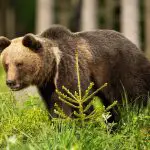
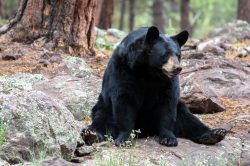
Black bears and brown bears are the two main species of bears that hibernate fully – where they dig themselves a den (filled with soft grasses and plants) and sleep out the winter in one place. They often combine it with having their young so the cubs are protected from the worst of the weather too.
How Long Do Bears Hibernate?
Hibernations is a catch-all phrase for any animal that slows itself down biologically in some way. It can involve less breathing, lower body temperatures, slower heart rate, reduced organ function, and certainly limited gut digestion (very energy-intensive in itself).
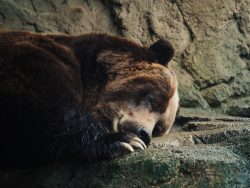
Brown bears in the US tend to start hibernating around October through to December – depending on the food supplies. Weirdly not enough or too much food around then can both prevent early hibernation. These bears only plan on setting up in their den because there is no food – but if they find a winter source of food – then why not stay out and eat it?
Black bears are similar in that they den over the winter – where mummy bears have their cubs. But, they aren’t always hibernating because of cold weather – after all some black bears live in Florida? They den up due to changing light levels, reproductive status, and temperature change. Bears in the south den for less time than bears in the far north.
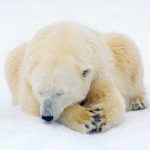
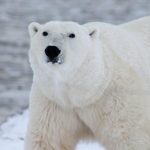
Polar bears live in the coldest place of all – but they don’t actually hibernate at all. They are one of the examples of places where there is so little food – that they can’t afford to stop looking. Female polar bears will still den over winter to have their pups in a protected place, but they can’t reduce their activity or temperature because they need to keep the pups warm.
What Happens If You Wake A Bear From Hibernation?
Whether scientifically bears truly hibernate is often debated as they don’t fully ‘shut-down’. Unlike true hibernators, bears just reduce a few things so that they can stay in the warm den. So technically, they don’t hibernate: (def: spend the winter in a dormant state).
It is more likely defined as ‘torpor’: (def: a state of decreased physiological activity). Bears will lower their temperature slightly and reduce movement, they also do magic things with their kidneys and muscles too. Unlike humans who have bed rest for months – bears don’t lose muscle mass or strength – in fact, they are almost unaffected by their hibernation.
So, if you accidentally stumble across a brown bear on a hillside, or a black bear hibernating in a tree stump – you could be in for a huge surprise. Bears can instantly wake up fully from their torpor and fight you off. And you really do not want to wake a bear from hibernation if they have pups!
What Do Bears Do When They Hibernate?
As expected – not very much except sheer relaxation. The idea is for them to save as much energy as possible by snoozing – but without falling too deep into torpor.
Usually, it is all nice and comfy in there, and they would have chosen a den with turning space. It will also be warm and cozy – although they have built up layers of fat already so won’t worry about letting in a bit of fresh air. Sometimes they will even leave the den throughout the winter for a leg stretch and maybe a snack before settling back down.
Once they have had their pups though – females only of course – they will be busy anyway making sure they are cleaned and fed. Maybe a bedding change if needed, but generally more sleeping and snoozing.
If only they could read – imagine the things they could learn in that time?