Beluga whales are known as the “canaries of the sea” because of their sounds. They face many challenges in their homes. Even though they are listed as “least concern” by the IUCN Red List, some groups, like those in Cook Inlet, Alaska, are in big trouble. It’s crucial to know the threats they face to help protect them. Things like habitat loss, pollution, and climate change are big problems for beluga whales. You can make a difference by supporting efforts to protect these amazing sea creatures.
Understanding Beluga Whales
Beluga whales are known for their unique look and interesting behaviors. They have special traits and live in complex social groups. This section will explore their physical traits and social life. It will also talk about why they are endangered.
Physical Characteristics
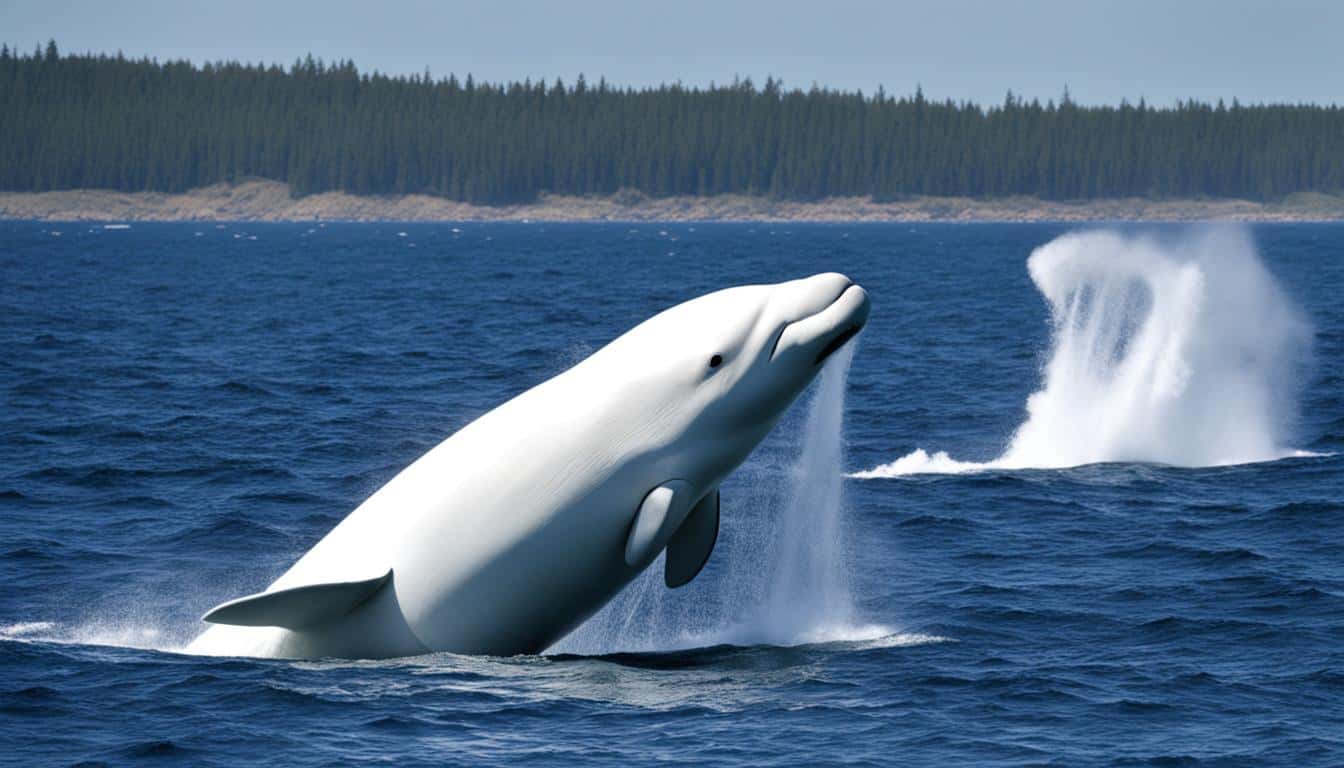
Beluga whales are small, toothed whales with a white color that becomes more visible as they grow up. They are 11 to 15 feet long and have a thick layer of blubber to keep warm in cold water. They have a big forehead called the melon, which helps them use echolocation and make sounds.
These beluga whale physical characteristics make them stand out and are key to their survival.
Social Structure and Behavior
Belugas live in groups called pods, usually with about ten members. But they can join bigger groups when they migrate. In these pods, they have a detailed beluga social structure that builds strong relationships. They take care of each other and play together, which helps them stay close.
Studies show that beluga whale behavior includes working together to hunt and communicate. This shows how smart they are. Knowing how they live is important because they are facing threats that put them at risk.
| Characteristic | Detail |
|---|---|
| Length | 11 to 15 feet |
| Color | Pearly white |
| Blubber Thickness | Significant Layer |
| Social Structure | Pods of about 10 individuals |
| Behavior | Cooperative hunting and communication |
What threats do beluga whales face?
Beluga whales face many threats that put their survival at risk. One major threat is habitat destruction from coastal development. This harms their important breeding grounds.
Pollution from industrial activities and urban runoff also affects them. It harms their health and reduces their numbers.
Climate change is another big threat. It changes their migration patterns and reduces their food supply. As the environment changes, belugas may find it hard to survive.
Their low birth rate and late maturity make it hard for them to recover from population declines. This is a big challenge for their survival.
The Cook Inlet beluga population has seen a sharp decline. This shows how important it is to protect these whales. Without action, the threats to belugas could get worse, leading to serious consequences.
Habitat Destruction and Coastal Development
Human actions pose big challenges for beluga whales, mainly through habitat destruction and coastal development impacts. The growth of cities and industrial projects harms the natural spaces beluga whales need. This section explains how these changes affect belugas.
Impact of Human Activities
Development along coasts harms beluga whale habitats. Building ports, roads, and cities changes the places where belugas live. The main effects are:
- Loss of feeding grounds, making it hard for belugas to find food.
- Decreased breeding areas, which can lower population growth.
- Increased noise pollution from construction, disturbing their communication and social behavior.
Effects on Migration Patterns
Habitat destruction and coastal development affect beluga whale migration. These whales move to find food and places to breed, but human-made barriers block their way. This includes:
- Blocked waterways preventing access to traditional migration routes.
- Alterations in prey availability due to ecosystem disruption, threatening their nutritional intake during critical migratory periods.
- Changes in water quality and temperature affecting the timing and routes of migration.
The link between coastal development and beluga whale migration shows a big risk to their survival. Knowing these challenges is key to saving this iconic species.
| Aspect | Impact of Coastal Development | Effect on Beluga Whales |
|---|---|---|
| Feeding Grounds | Loss of access due to habitat alteration | Reduced food sources and potential malnutrition |
| Breeding Areas | Destruction of critical sites | Lower reproductive success and declining populations |
| Migration Routes | Obstacles created by development | Disrupted migratory patterns |
| Water Quality | Pollution and environmental changes | Stress on belugas and affected health |
Pollution and Contaminants
Pollution is a big threat to beluga whales. It’s important to know the types and how they affect them. Belugas face many pollutants that can harm their numbers and the whole ecosystem.
Types of Pollution Affecting Belugas
Beluga whales face pollution from several sources, including:
- Chemical runoff from cities
- Industrial waste with heavy metals and pesticides
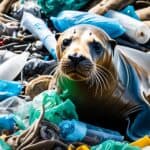
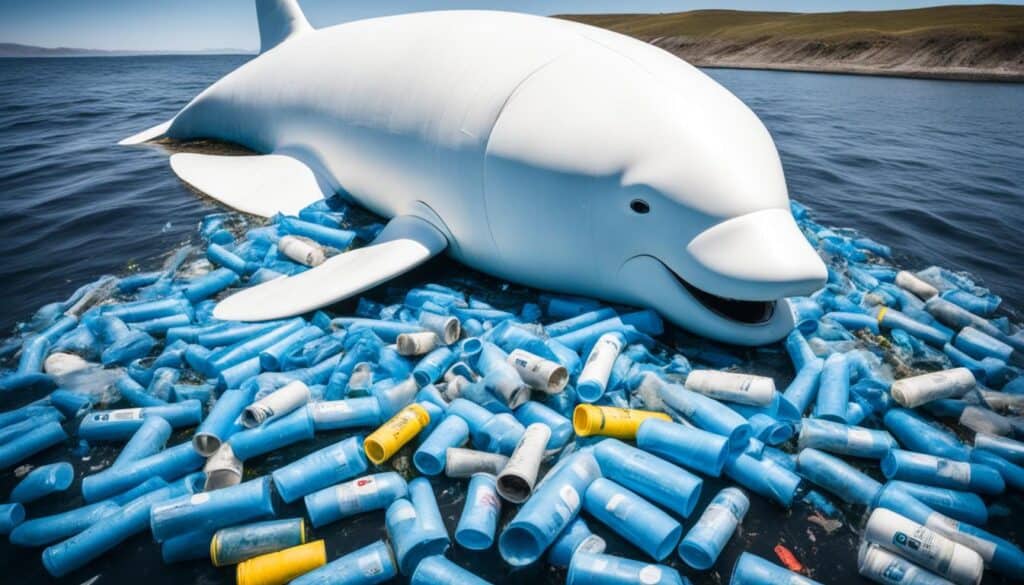
- Marine debris and plastics
- Sewage and wastewater
These pollutants harm their home and build up in their bodies. As top predators, belugas eat a lot of toxins. This hurts their health and how well they can have babies.
Effects of Oil Spills
Oil spills are a huge danger for beluga whales. These disasters cause:
- Immediate death or injury to whales touched by oil
- Long-term damage to their home, making it hard to find food and breed
- Disruption of their social groups, as their homes become less safe
It’s key to watch and study oil spills to protect belugas. Knowing how pollutants affect their health helps us make better plans to save them.
| Type of Pollution | Source | Impact on Belugas |
|---|---|---|
| Chemical Contaminants | Urban runoff, industrial discharges | Bioaccumulation of toxins leading to health issues |
| Marine Debris | Plastic and waste materials | Ingestion or entanglement causing injury or death |
| Oil Spills | Marine transportation and drilling accidents | Habitat destruction and social disruption |
Climate Change and Its Implications
Climate change is a big problem for beluga whales. It changes their homes and where they find food. As oceans get warmer and sea ice melts, their world is turned upside down. It’s important to see how climate change affects belugas to understand their future.
Belugas struggle with less food because of climate change. Rising temperatures change where fish live, making it hard for belugas to find food. They might have to swim further, which puts them at risk from humans and other predators. This shows how climate change threatens beluga whales.
We need strong plans to save beluga whales from climate change. It’s important to know what they need and the new dangers they face. By supporting research and speaking out, we can help protect their future.
FAQ
What are the main threats that beluga whales face?
Beluga whales face threats like habitat loss from coastal development and pollution from runoff. Climate change also affects their food and migration. Orcas and polar bears may prey on them.
Why are certain populations of beluga whales considered critically endangered?
Some beluga whales, like those in Cook Inlet, Alaska, are critically endangered. This is due to habitat loss, pollution, and low birth rates. These issues make it hard for them to recover.
How does habitat destruction impact beluga whales?
Habitat destruction means belugas lose important places to feed and breed. It also disrupts their migration paths. This can make it hard for them to find food, threatening their survival.
What types of pollution affect beluga whales?
Beluga whales face pollution from chemicals in runoff and industrial waste. Oil spills also harm them. These pollutants can hurt their health and change their behavior.
How does climate change pose a threat to beluga whales?
Climate change changes beluga habitats and food by warming oceans and melting ice. This can lead to less food and affect where they migrate.
What role do human activities play in the threats to beluga whales?
Human actions, like building along coasts and industrial activities, harm beluga whales. They cause habitat loss and pollution. This directly affects their health and survival.
What conservation efforts are in place to protect beluga whales?
To protect beluga whales, there are efforts to protect their habitats and monitor pollution. Research helps understand their movements and numbers. This aims to lessen the threats they face.