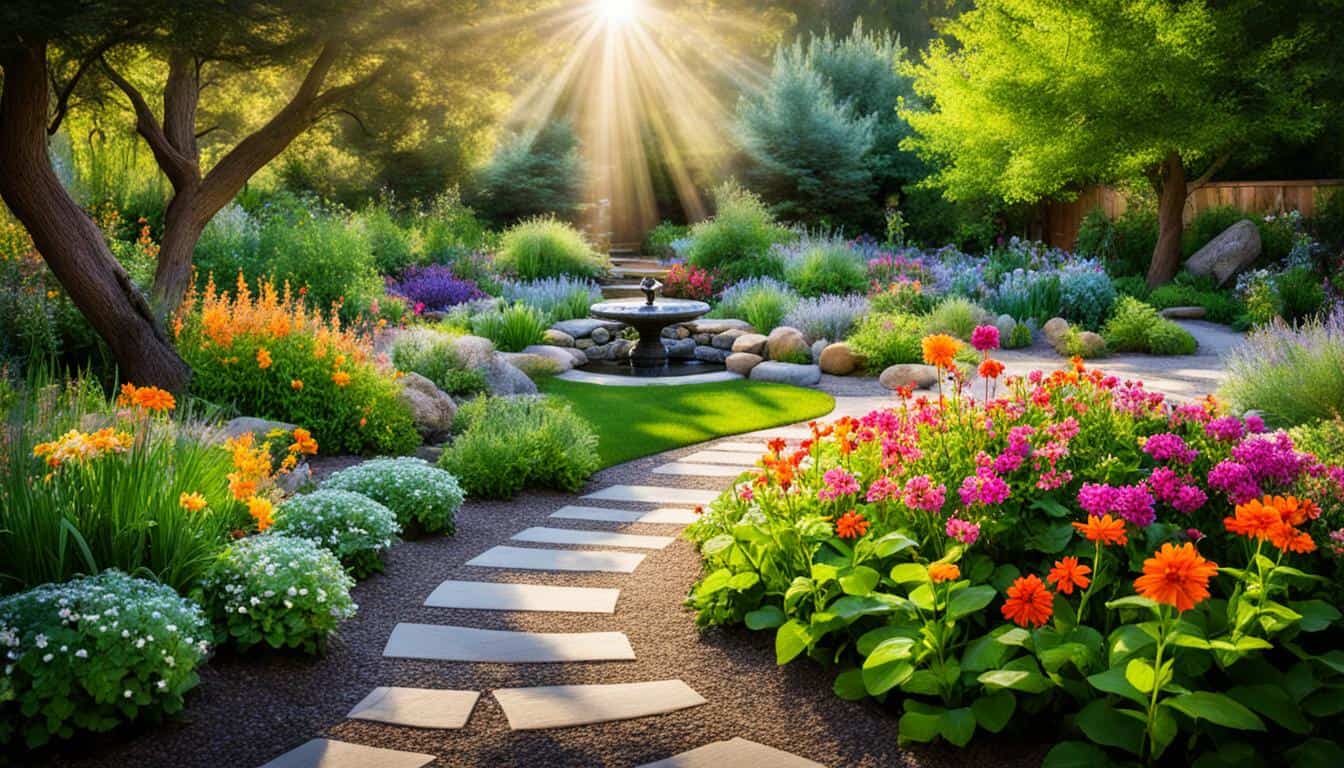
Natural vegetation is a plant community that has evolved naturally without human intervention and has been kept undisturbed for an extended period of time. The phrase “virgin vegetation” refers to this type of vegetation. Cultivated crops and fruits, as well as orchards, are considered vegetation, but not natural vegetation.
What is called virgin vegetation?
The definition of virgin vegetation can vary slightly depending on who you ask, but in general, it refers to plant life that has never been exposed to man-made chemicals or pollutants. This includes both naturally occurring plants as well as those that have been grown in a laboratory or greenhouse free from human intervention.
There are many benefits to keeping virgin vegetation around. For one, it can help to purify the air and water, as well as provide food and shelter for wildlife. Additionally, it can help to prevent erosion and stabilize the soil.
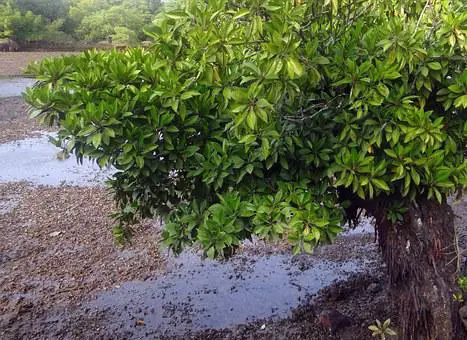
What types of virgin vegetation are there?
There are many different types of virgin vegetation, depending on the climate and geography of the area. In general, though, some of the most common types include:
- Trees: Oaks, maples, pines, etc.
- Shrubs: Holly, azalea, rhododendron, etc.
- Vines: Poison ivy, grape vines, morning glories, etc.
- Grasses: Bermuda grass, wheatgrass, Johnson grass, etc.
- Ferns: Maidenhair fern, Boston fern, ostrich fern, etc.
- Mosses: Sphagnum moss, peat moss, sheet moss, etc.
- Lichens: Reindeer moss, rock tripe, British Soldiers, etc.
What are the benefits of virgin vegetation?
There are many benefits of keeping virgin vegetation around. For one, it can help to purify the air and water, as well as provide food and shelter for wildlife. Additionally, it can help to prevent erosion and stabilize the soil.
In addition, virgin vegetation can be a valuable source of food, medicine, and other resources for humans. For example, many fruits, vegetables, grains, and nuts come from plants that have never been exposed to pesticides or other chemicals.
What precisely do you mean by “virgin”?
The definition of virgin vegetation can vary slightly depending on who you ask, but in general, it refers to plant life that has never been exposed to man-made chemicals or pollutants. This includes both naturally occurring plants as well as those that have been grown in a laboratory or greenhouse free from human intervention.
What exactly is the distinction between vegetation and virgin vegetation?
The initial, undisturbed natural plant life that exists in any place is referred to as virgin vegetation. Natural vegetation refers to the plants and trees that exist in a region before it is altered by humans for purposes such as farming, mining, industrial development, and urban expansion.
Why are produced crops like fruits and vegetables aren’t considered virgin natural vegetation?
This is because crops are typically grown with the use of pesticides and other chemicals, which would disqualify them from being considered virgin vegetation. Additionally, many crops are genetically modified in some way, which also means they would not be considered virgin.
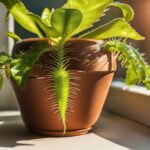
What Type of Soil Does a Venus Flytrap Need to Survive?
The venus flytrap survival requirements include acidic soil with low nutrients, such as the nutrient-poor soil found in its natural habitat. This carnivorous plant thrives in a combination of sphagnum moss and sand, ensuring proper drainage and moisture retention. Maintaining these conditions is vital for the venus flytrap’s survival and optimal growth.
What types of land are suitable for natural vegetation?
Natural vegetation can grow in a variety of different types of land, including forests, grasslands, and wetlands. However, it is important to note that not all types of land are suitable for all types of vegetation. For example, some plants require specific soil conditions or climates in order to thrive. Additionally, some areas may be too polluted or damaged for natural vegetation to grow.