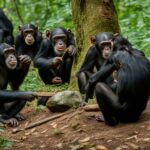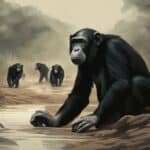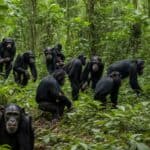
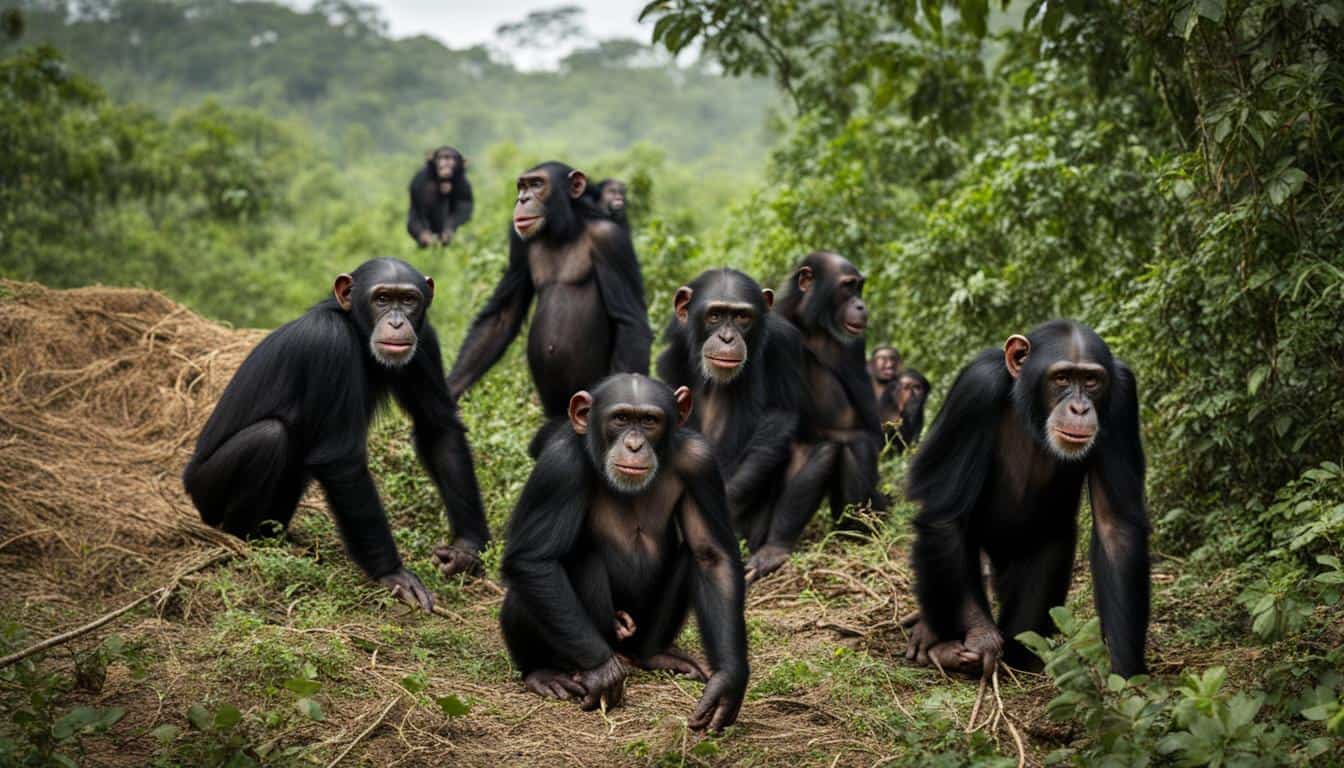
Chimpanzee conservation and the impact of human encroachment are significant concerns for the survival of these remarkable primates. Wild chimpanzee populations are facing multiple threats, including habitat loss, disease, and hunting. As a result, all four chimpanzee subspecies are now endangered.
Disease Threats to Chimpanzee Populations
Chimpanzees are highly vulnerable to various diseases, and the transmission of these diseases can have devastating consequences for their populations. One particular disease that has caused significant declines in chimpanzee populations is the Ebola virus. The mortality rate of Ebola among chimpanzees is estimated to be around 95%, posing a grave threat to their survival.
Efforts have been made to monitor and prevent the transmission of diseases like Ebola. Ongoing vigilance and research are crucial to protect chimpanzee populations and mitigate the impact of disease outbreaks. By studying the patterns of disease transmission, scientists and conservationists can develop strategies to minimize the spread of diseases within chimpanzee communities.
Understanding the factors contributing to disease transmission among chimpanzees is essential for their conservation. Close proximity within chimpanzee communities, as well as interactions with infected individuals or contaminated environments, can facilitate the spread of diseases. Additionally, the exposure of chimpanzees to human diseases poses an additional risk.
The key to safeguarding chimpanzee populations from disease threats lies in a comprehensive approach that integrates monitoring, preventive measures, and research into disease dynamics. By implementing proactive strategies, such as vaccination and hygiene protocols, and promoting awareness among local communities about the risks of disease transmission, we can help protect the health and well-being of chimpanzee populations.
Conservation Efforts to Protect Chimpanzees
Conservation organizations and researchers are actively engaged in concerted efforts to safeguard the wild chimpanzee populations. Through the development of comprehensive action plans, wildlife protection has been enhanced, and strategies are being implemented to mitigate the threats faced by these magnificent creatures.
One of the key aspects of chimpanzee conservation is the implementation of environmental education programs. These initiatives play a crucial role in creating awareness about the vulnerability of chimpanzees and their habitats, fostering a sense of responsibility and prompting individuals to take action.
The success of chimpanzee conservation heavily relies on collaboration with governments, local communities, and other non-governmental organizations (NGOs). By working together, these stakeholders can pool resources, share knowledge, and implement sustainable measures that protect both the chimpanzees and their habitats, ensuring long-term survival.
Furthermore, ongoing research and monitoring are essential for effective conservation strategies. These efforts provide valuable insights into the behavior, habitat requirements, and population dynamics of chimpanzees. By continuously refining conservation approaches based on scientific findings, we can bolster our efforts and secure a brighter future for these endangered primates.
How Does Habitat Loss Contribute to the Primary Threats Facing Wild Chimpanzee Populations?
The impact of habitat loss on chimpanzees is a critical factor contributing to the primary threats facing wild chimpanzee populations. As their natural habitats continue to disappear due to deforestation, human encroachment, and climate change, chimpanzees are facing dwindling resources, increased competition, and heightened vulnerability to poaching and disease.
How Do Diseases Impact the Primary Threats Facing Wild Chimpanzee Populations?
Diseases threatening wild chimpanzees are a significant threat to their population. As with humans, diseases can spread quickly among chimpanzee communities and cause devastating outbreaks. This can lead to a decline in their numbers, impacting their genetic diversity and ability to survive other threats like habitat loss and human encroachment.