
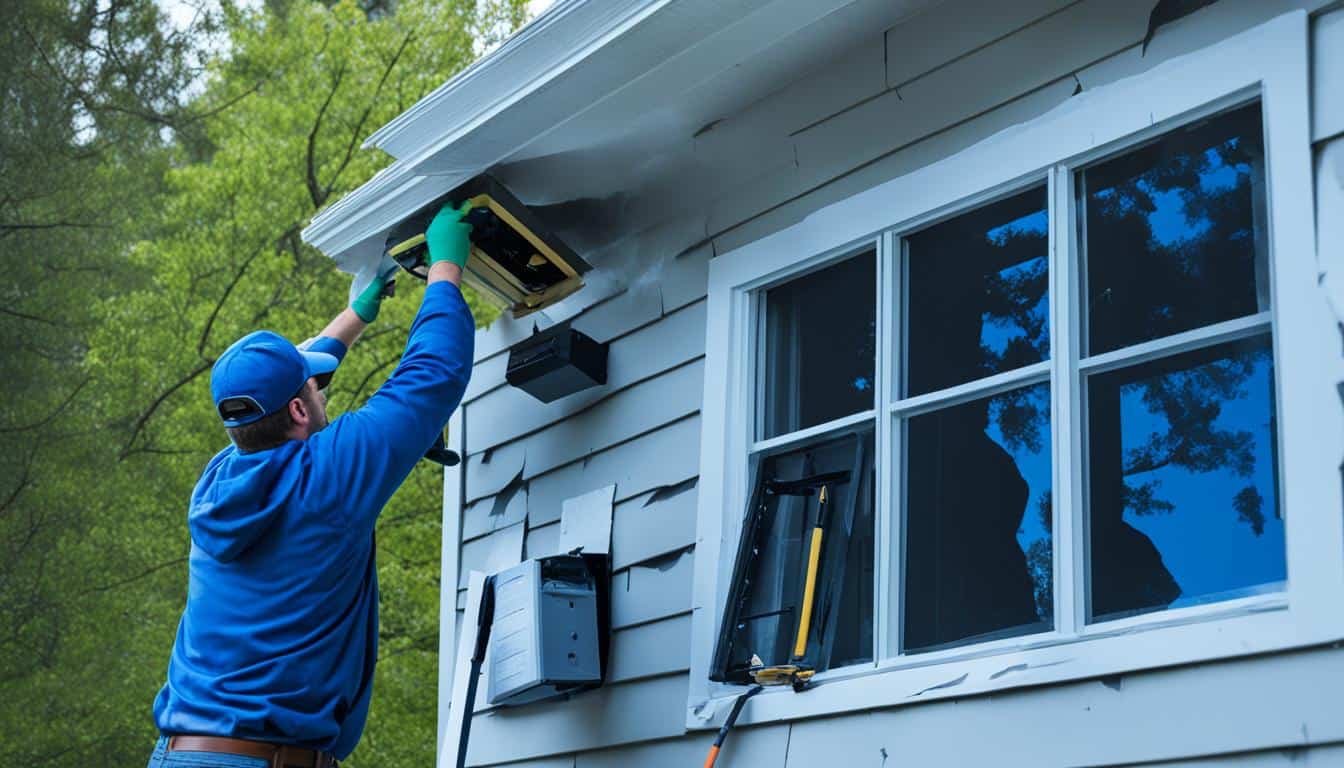
Wonder why bats like some houses more than others? Want to keep them away from yours?
To keep your home bat-free without harming them, you need a plan. Start by finding and closing off places they can get in. Use stuff like caulk, mesh, or foam to seal cracks and holes. Bats love attics and garages because they have lots of cozy spots and places to drink. Plus, the bugs they eat are usually around homes a lot.
Try creating a nice home for them somewhere else to steer clear of yours. You can put up bat houses to give them a better place to live. This, along with smells they don’t like, such as cinnamon and mint, can help keep them away.
If things get really bad, pros can help safely remove the bats. Companies like Whitmore Pest Control use special methods to get rid of them. They make sure the bats and your home are both safe.
Understanding Why Bats Are Attracted to Your Home
Bats look for the right spots to roost. They need certain things to live. Knowing what these are can help you keep them away from your home.
Roosting Sites
Bats choose homes because they offer good places to stay. These places keep them safe and warm. Attics, barns, and dark areas in homes are perfect for them. Here, they find peace and avoid predators.
Water Sources
Bats also love homes near water sources. Bats drink water and depend on it for food. Living close to water or having water around your home means you could have bats visiting.
Insect Abundance
Insects play a big role in attracting bats to your property. Bats eat insects, so more bugs means more bats. By controlling insect numbers, you can make your home less inviting to bats.
The Problems Bats Can Cause in Your Living Space
Bats bring serious challenges when they get into your living space. It’s important to know these problems to keep your family safe. This helps reduce any health risks bats might cause.
Disease Transmission
The big worry with bats is spreading diseases like rabies. Rabies spreads through bites or scratches and is very dangerous. Although cases are rare, it’s crucial to keep bats out to avoid this risk.
Guano Accumulation
Bat guano, or droppings, is a major issue. It makes spaces like attics and garages dirty and can harm your health. It can lead to breathing problems and damage your house. This can lead to expensive repairs.
Accidental Entry into Living Spaces
Bats sometimes fly into our living spaces by mistake. This can be scary and might cause us to try and catch them. But touching a bat can be risky. Avoiding bats in our homes is key to preventing these accidents.
Identifying Entry Points in Your Home
Keeping bats out starts by finding and closing their entry points. Inspect your home for places bats might get in. Then, use special techniques to protect your home.
Common Entry Points
Bats might come in through small openings in your home. Look out for these common places they enter:
- Gaps in the roofline
- Unsealed vents
- Openings in attic spaces
- Chimneys and fascia boards
- Gaps around windows and doors
Sealing Techniques
Once you know how bats come in, it’s time to seal those spots. Use some key methods to keep bats out:
- Use caulk for sealing small gaps and cracks.
- Use expandable foam for bigger holes.
- Put mesh over vents and openings.
- Attach door sweeps and add weather stripping to doors and windows.
After a full check for bat entry points and sealing them up, your home will be safer from bats.
(This section was duplicated in the outline and will be omitted in line with the instructions)
Detecting entry points in your home is key to keeping bats out. Even tiny gaps, just half an inch wide, can be an open door for these animals. Check places like chimneys, rooflines, and soffits where they might squeeze through. Make sure to look closely to find all weak spots.
The way you seal these openings depends on where they are and how big. Use caulk or foam for small cracks. For bigger holes, mesh or hardware cloth works better. If you add strong window screens, you can keep your home safe from bats.
Now, let’s dive into various ways to seal those gaps and how well they work:
| Sealing Technique | Application | Effectiveness |
|---|---|---|
| Caulk | Cracks & small gaps | High |
| Expanding Foam | Medium to large gaps | Very High |
| Mesh or Hardware Cloth | Larger openings | High |
| Window Screens | Windows | Medium |
By carefully checking your home and using the right sealants, you can stop bats from getting in. This protects your family from unwanted visitors.
Effective Bat Exclusion Methods
Keeping bats out of your home requires smart strategies. It allows you to live bat-free while being kind to these animals. Using ethical methods is not just right; it’s often the best way for success.
Installing One-Way Valves
To get rid of bats, try one-way valves. They let bats fly out but stop them from coming back in. This way, the bats can safely leave your home. This is a top choice for those who manage wildlife since it’s both effective and gentle.
Using Mesh and Netting
Mesh and netting are also important. They block off big openings and keep bats from settling in your living space. They work well in places that are too large to seal with caulk or foam. Professionals often recommend using these materials.
It’s crucial to use these methods correctly, which might mean you need some help. If your bat problem is big or you don’t feel up to handling it on your own, call in the experts. They know how to do this job right. They keep your home and the bats safe.
| Method | Description | Benefits |
|---|---|---|
| One-Way Valves | Allows bats to exit but not re-enter | • Humane • Effective for long-term results |
| Mesh and Netting | Covers larger openings to prevent re-entry | • Suitable for extensive areas • Recommended by experts |
Natural Repellents to Deter Bats
Want a safe way to keep bats away? Try natural bat deterrents for non-toxic bat control. These methods are good because they don’t use harmful chemicals. They offer a kind way to avoid bats around your home.
Cinnamon and Peppermint Oils
Cinnamon and peppermint oils have strong smells that bats don’t like. They are great natural bat deterrents. Put these oils near where bats might get in. This makes the area less attractive to them. Using these oils in your strategy makes your home safer for everyone.

Eucalyptus Oil Applications
Eucalyptus oil is another good choice for non-toxic bat control. It has a smell that bats find unpleasant. Use it like you would cinnamon and peppermint oils. Spread eucalyptus oil around your living spaces to keep bats out. This way shows that natural options work well to protect your home without chemicals.
The Role of Bat Houses in Bat-Proofing
Bat houses are key in making sure bats don’t enter your home. They provide bats a new home away from yours. This move is beneficial for both you and the bats.
Placement of Bat Houses
Setting up bat houses right is crucial. They should be close to where bats were before but away from people. This ensures the bats find it a safe spot. It’s best if they’re up high, getting lots of sun. The right spot makes it more likely that bats will move in and stay out of your home.
Building or Buying Bat Houses
You can make your own or buy one that’s ready. It’s important to follow the correct guidelines. The National Wildlife Federation has great tips for building the right one. Make sure to get a MTBC-certified house if you buy. This means it’s proven safe for bats. Doing this helps attract bats away from homes, keeping both bats and people happy.
| Aspect | DIY Bat House | Purchased Bat House |
|---|---|---|
| Cost | Varies based on materials | Generally higher upfront |
| Customization | Fully customizable | Limited to available models |
| Safety Standards | Depends on adherence to guidelines | Meets MTBC certification |
| Ease of Installation | Requires skill and tools | Usually simpler and ready-to-install |
A good bat house in the right place can lessen bat sightings near your home. This is good for both people and bats. It’s all about making a safe and welcoming place for bats, away from where you live.
Maintaining Your Property to Prevent Bat Infestations
Making sure your home is kept up can stop bats from moving in. You can do things that make your house less welcoming to them. This makes your living area safer and nicer.
Trim Trees and Bushes
Trimming trees and bushes keeps your yard tidy and less bat-friendly. Large plants can hide bats well. By keeping things neat, you take away their hiding spots and make the area look better.
Eliminate Standing Water
Bats like water, so get rid of any you find. Fix leaks and make sure water drains properly. This helps cut back on bats and the bugs they eat by keeping their water sources in check.
Clean Up Fruit on the Ground
Fallen fruit is a meal for bats. By picking up fruit regularly, you make your place less appealing to them. This easy action helps keep bats away from your property.
Daily effort in yard care will stop bats from seeing your home as a good spot. This ensures your house is safe and free of bats.
Using Technology as Bat Deterrents
Modern tech gives us smart and kind ways to keep bats away from places we don’t want them. By using these methods, people can quickly deal with bat problems at home.
Ultrasonic Devices
Ultrasonic bat repellents are a top choice for keeping bats at bay. They make sounds too high for us to hear but bats can, really disturbing them. By placing these devices smartly, you can avoid having bats around.
Motion-Activated Lights
Bat-deterring lighting systems are also a cool way to keep bats away. They turn on when they sense motion, surprising bats with bright light. This is great for areas bats like to hang out in. The sudden light makes bats find another spot to rest, making those places bat-free.
Using both ultrasonic devices and motion-activated lights is vital in fighting off bats. Combine these tech tools with things like barriers and natural repellents for the best defense against bats.
| Device | Function | Effectiveness |
|---|---|---|
| Ultrasonic Devices | Emit high-frequency sounds | Highly effective |
| Motion-Activated Lights | Sudden bright light activation | Moderately effective |
When to Call Professional Bat Control Services
Sometimes, homeowners can stop bats on their own. But if you have a big problem that won’t go away, call the pros. This is especially true if bats keep getting into your house, even after you’ve tried blocking them out.
If you’re worried about diseases bats might spread, get help right away. Bats can have rabies. So, if one bites you or scratches you, don’t wait to call an expert. Also, if there’s a lot of droppings, pros should clean it up to keep you healthy and your home safe.
For homes with tricky designs or many places for bats to hide, experts can help a lot. Whitmore Pest Control is one company that knows how to handle this. They use special traps to get the bats out without hurting them. This way, you make sure the job is done right and legally.
FAQ
How do you protect your home from bats?
Start by looking for any openings bats might use to get inside. Seal these openings with caulk or foam. You can also put up bat houses nearby. These give bats another place to live. For a big bat problem, get experts to help. They can remove bats safely.
Why are bats attracted to my home?
Bats like homes because they can hide in quiet, dark places like attics. They also need water close by. Homes attract them because they have lots of insects to eat.
What problems can bats cause in my living space?
Bats can spread diseases like rabies. Their droppings can make a mess and carry germs. If they get inside, it can be scary and risky for your health.
How do I identify bat entry points in my home?
Look for small openings in your roof, vents, or in the attic. A good inspection is needed to find them all. Seal these spots tight to keep bats out.
What are effective bat exclusion methods?
To keep bats out, use one-way valves so they can leave but not come back. Cover big openings with mesh. This way, bats leave on their own without harming them.
What natural repellents can be used to deter bats?
Cinnamon, peppermint, and eucalyptus oils can make bats stay away. You can put these oils around your home. This is a natural and safe way to keep bats out.
How can bat houses help in bat-proofing my home?
Bat houses give bats another place to live away from your home. Put them near where bats used to live. Make sure the houses are safe and meet their needs.
What property maintenance steps can prevent bat infestations?
Keep your property well-kept. This means cutting back trees and bushes, getting rid of standing water, and picking up fallen fruits. Doing this makes your home less inviting to bats.
What technological solutions can deter bats?
Devices that make sound and light can scare bats away. These gadgets work by making bats uncomfortable in your home. They are safe and effective.
When should I call professional bat control services?
If there are a lot of bats in your home and you don’t know what to do, call experts. They can safely get rid of bats using special methods. This way, you and the bats stay safe.