
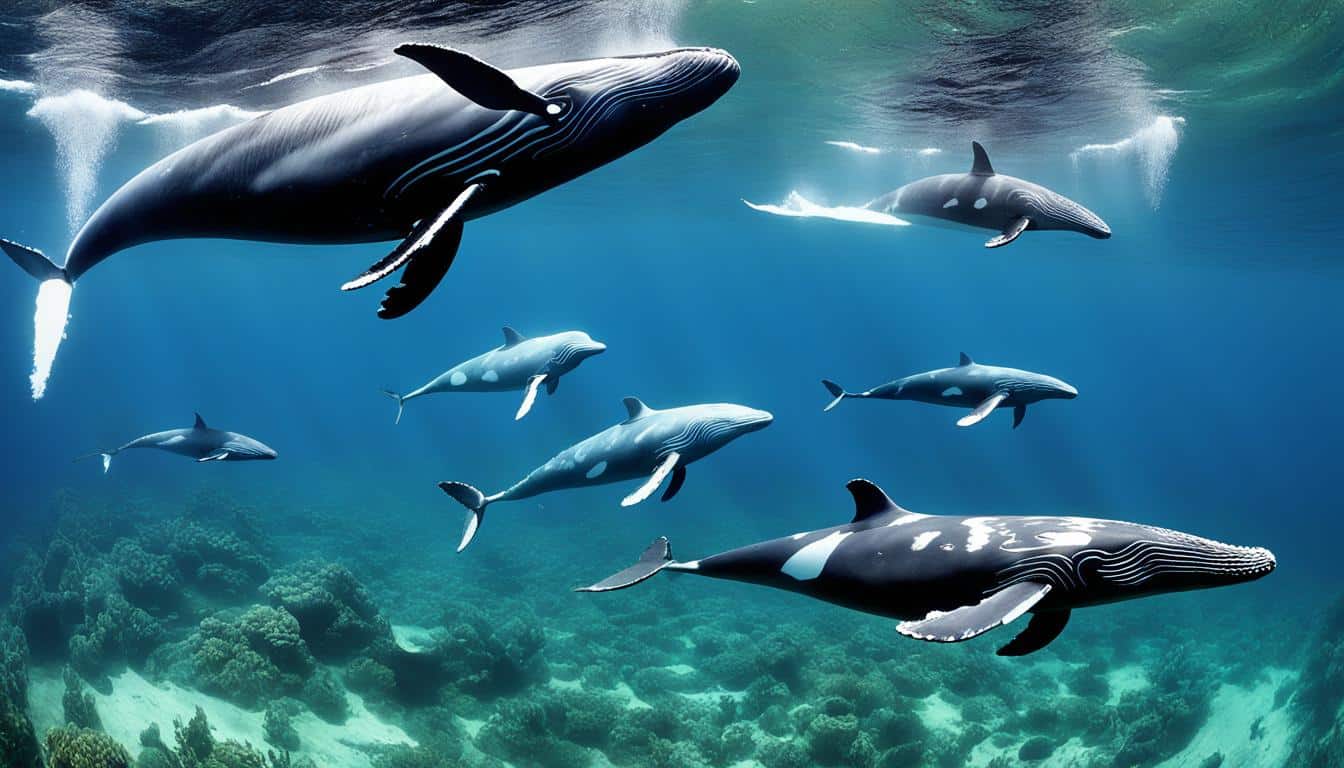
Whales are among the longest-living animals on Earth, with some living over 200 years. You might wonder how long do whales live and what factors contribute to their impressive longevity. Understanding whale lifespan not only sheds light on whale life expectancy but also emphasizes their vital role in marine ecosystems. This article will delve into the intricate details of whale longevity, exploring the various elements that impact how long whales can thrive in our oceans.
Understanding Whale Lifespan
Studying whales shows us how long they live. Each type of whale lives differently, with some living over a hundred years. This long life helps keep the ocean healthy and stable.
Overview of Whale Longevity
Whales live a long time, with some like the bowhead whale living over 200 years. This long life helps them pass on knowledge to younger whales. Older whales teach the young where to find food and how to migrate.
Importance of Whale Lifespan in Marine Ecology
Whales are crucial to the ocean’s health. Their long lives increase genetic diversity and keep populations stable. Young whales learn from the old, helping their species survive. Healthy pods are important for the ocean’s balance.
Factors Influencing Whale Lifespan
Many things affect how long whales live. Knowing these can help us understand their lifespan and the differences among whale species. Let’s look at the main factors.
Habitat and Environmental Conditions
Where whales live greatly affects their lifespan. Whales in healthy environments with plenty of food tend to live longer. But, those in polluted or busy waters face dangers like ship strikes and pollution. These dangers can shorten their lives.
Diet and Nutrition
Having a good diet is key for whales. Whales that eat well tend to be healthier and live longer. Eating poorly can lead to malnutrition and a shorter life. What they eat greatly affects their lifespan.
Genetics and Species Differences
Genetics play a big role in how long whales live. Some whales are naturally meant to live longer because of their biology. Knowing about these genetic differences helps us understand whale lifespans.
Human Activities and Their Impact
Humans have a big effect on whales. Commercial fishing can accidentally trap whales, which is a big threat. Noise pollution also disrupts their communication and navigation. These issues can harm their ability to survive in the ocean.
How Long Do Whales Live?
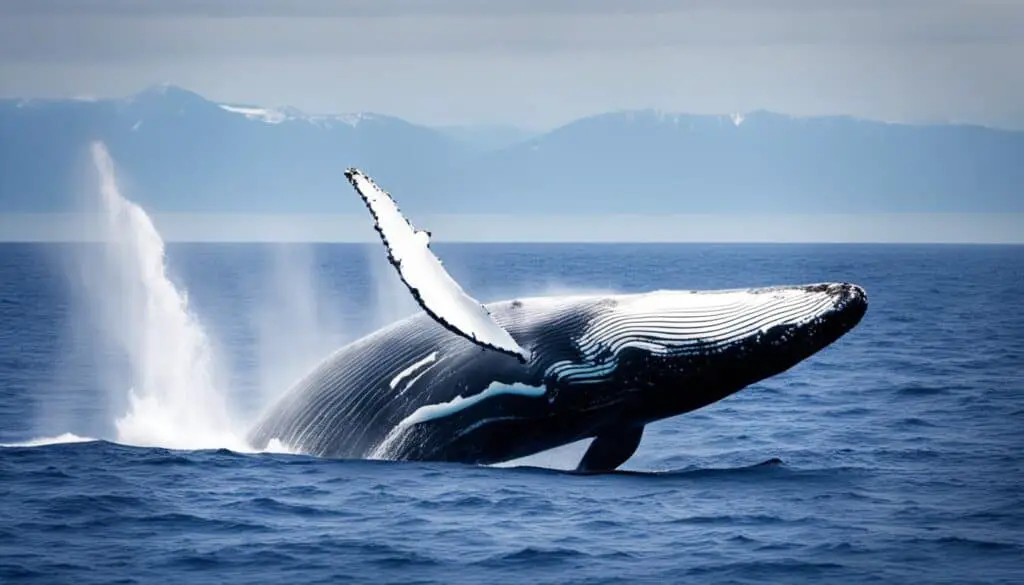
Learning about whales’ lifespans helps us understand their biology and role in the ocean. The length of time whales live varies a lot between species. So, how long do whales live? Let’s look at the average lifespans of different whales and some amazing long-lived whales.
Average Lifespan of Various Whale Species
Most whale species have a wide range of lifespans. Here are some averages:
| Whale Species | Average Lifespan (Years) |
|---|---|
| Bowhead Whale | 200+ |
| Blue Whale | 70-90 |
| Gray Whale | 50-70 |
| Orca | 30-90 |
| Sperm Whale | 60-70 |
Notable Records of Long-Lived Whales
Some whales, like the Bowhead whale, live incredibly long. Some have lived between 160 and 180 years, with a few reaching 200 years. These records show how long whales can live. They also show why we need to protect these amazing creatures.
Whale Lifespan by Species
Exploring the lifespan of various whale species gives us insights into their biology and their roles in the ocean. The lifespan of whales varies a lot, with some living over 200 years.
Bowhead Whale: The Longest-Living Whale
The Bowhead whale is the longest-living marine mammal. These whales can live up to 200 years in the cold Arctic waters. Their long lifespan comes from genetic traits and adaptations to harsh conditions.
Blue Whale Lifespan Insights
The Blue whale is the biggest animal on Earth, living between 70 to 90 years. It travels across vast oceans, facing challenges but aging slowly in a less threatened environment.
Orca Lifespan and Social Structures
Orcas, or killer whales, live about 50 to 80 years. Their social groups help them live longer. Female orcas often live longer than males, with some reaching over 90 years. This could be because living in groups helps them survive better.
Other Whale Species and Their Average Lifespans
Many whale species have different lifespans. Here’s a table showing their average lifespan:
| Whale Species | Average Lifespan |
|---|---|
| Humpback Whale | 45 years |
| Sperm Whale | 60 years |
| Minke Whale | 50 years |
| Gray Whale | 50 years |
Conservation Efforts to Extend Whale Lifespan
To help whales live longer, we need to protect their homes. Marine Protected Areas (MPAs) are key in keeping their habitats safe. These areas let whales live without human harm, helping their populations grow.
Reducing ship strikes is another important step. Awareness programs help make the seas safer for whales. By fighting pollution, we make oceans better for whales. Supporting responsible whale watching lets these animals act naturally, which is good for them.
Research and monitoring whales are also crucial. We must understand what affects their lifespan to protect them better. By tackling threats with specific actions, we aim to keep whales around for a long time. This way, future generations can still see these amazing creatures in the wild.
FAQ
How long do whales live?
Whales live between 20 to 90 years, depending on their type. Bowhead whales can live over 200 years, making them the longest-living whales.
What factors influence whale lifespan?
Many things affect how long whales live. These include their home, what they eat, their genes, and human actions. Things like pollution and fishing can harm their life span.
Which whale species have the longest lifespans?
Bowhead whales live the longest, up to 200 years. Blue whales live about 70 to 90 years.
How many years do whales typically live?
Whales usually live 20 to 90 years. But, some species can live much longer based on their environment and genes.
Is whale longevity important for marine ecosystems?
Yes, older whales are key to healthy oceans. They help with genetic diversity and stability. They also teach younger whales important survival skills.
What are some conservation efforts aimed at increasing whale lifespan?
To help whales, we’re creating Marine Protected Areas (MPAs). We’re also working to reduce ship strikes, fight pollution, and promote safe whale watching. This helps protect their homes and reduces disturbance.