
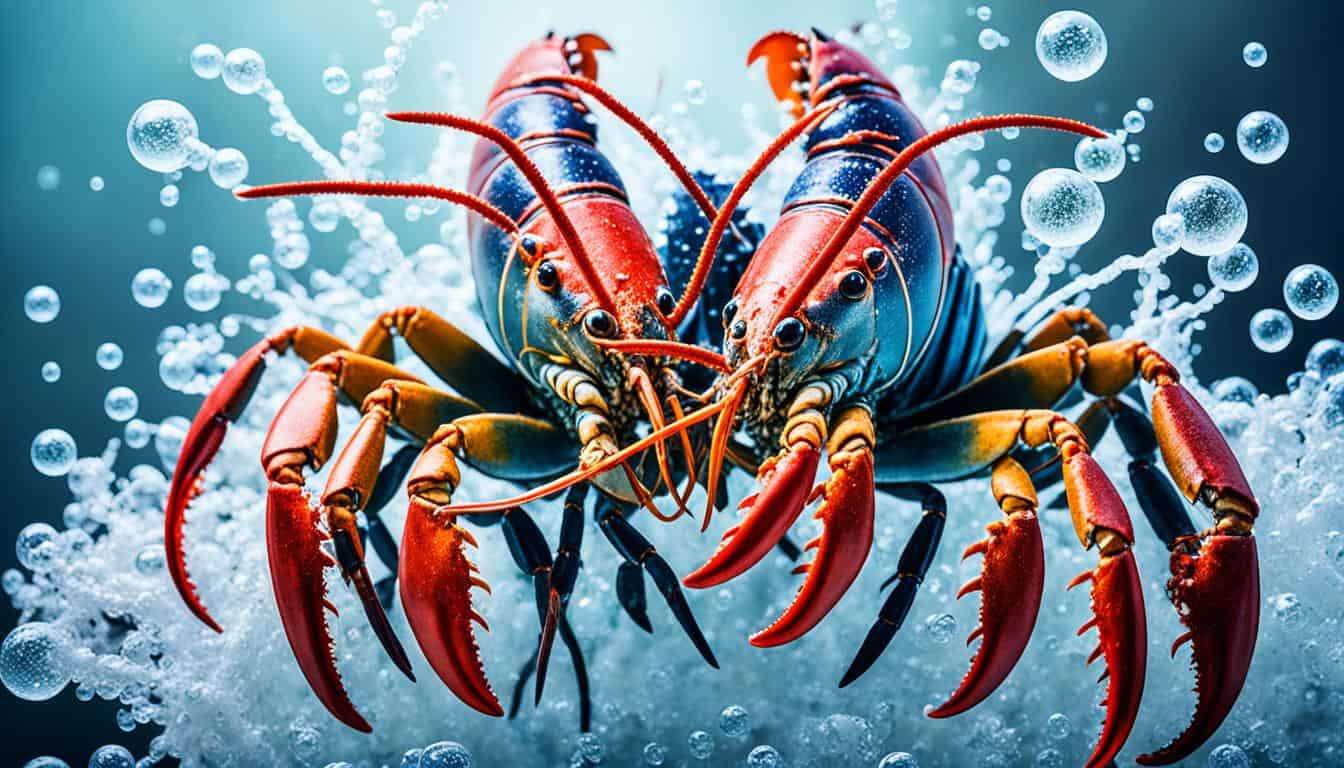
Lobster communication is a fascinating topic that explores how these crustaceans interact. You might wonder, how do lobsters communicate? Unlike many other animals, lobsters don’t use sounds. Instead, they rely on chemical signals, mainly through urine, to send messages. This unique way of communicating is key to their behavior, social life, and mating.
It helps us understand how they survive and thrive in their underwater world.
Understanding Lobster Communication Methods
Lobsters have a special way of talking to each other. They use certain methods to share information. This helps them set up social order, find mates, and protect their territory. Learning about these signals helps us understand their complex social lives.
Lobster Urine as Communication
Lobsters often use urine to talk to each other. They have glands in their heads that let them release urine into the water. This urine carries pheromones, which are important signals to other lobsters.
These signals can mean different things, like marking territory or being ready to mate. Using urine to communicate is a clever way for lobsters to talk in the water.
Role of Pheromones
Pheromones are key in lobster social life. These chemical signals share info about who the sender is, if they’re ready to mate, and their social rank. Studies show that top male lobsters send out special pheromones.
This makes them more appealing to females. Learning about pheromones helps us see how complex lobster social groups are. It shows how important smell is in their communication.
Hierarchy and Social Order
The way lobsters talk to each other shapes their social groups. Pheromones help show who’s in charge, making it easier for lobsters to live together peacefully. This order is key for avoiding fights, making sure lobsters reproduce well, and keeping their group stable.
| Communication Method | Type of Signal | Purpose |
|---|---|---|
| Urine release | Chemical (pheromones) | Territorial claims, mating readiness |
| Pheromone signaling | Chemical | Indicating dominance, attracting mates |
| Social hierarchy | Visual and chemical | Establishing social order within groups |
How do lobsters communicate?
Lobsters have complex ways to talk to each other and find mates. They use chemical signals and social actions a lot. A key part of this is lobster urinary signals, which help with social order and finding a mate.
Lobster Urine as Communication
When lobsters pee, they send out a mix of chemicals with messages. These signals are full of pheromones that show their social rank and if they’re ready to mate. For example, female lobsters pee towards males in mating season to show they’re interested.
Role of Pheromones
Pheromones are very important in lobster talk. After winning fights, top males change their pee pheromones. This makes them more appealing to females, helping them mate more successfully. These chemical signals help lobsters know their place in the social order, which is key for living and finding a mate.
Hierarchy and Social Order
The social setup among lobsters is shaped by pee signals and pheromones. The top lobsters show their rank with actions and smells, creating a clear pecking order. This system controls how lobsters interact, letting them know who’s a friend or foe. This shows how complex lobster communication is and how important chemical signals are to them.
Lobster Communication through Sound
Lobsters use complex ways to talk to each other, mixing chemical signals with sound. They mostly use chemical cues but sound plays a big part too. Learning about lobster sounds helps us understand their social life and how they survive.
Vibrations as a Form of Communication
Lobsters make sounds by rubbing their antennas together. These sounds are a way for them to talk and have different meanings. They might show who’s boss or warn others of danger.
These high-pitched sounds let lobsters talk fast in their groups. They can quickly share news about changes in their world.
Possible Predatory Alerts
Crustacean sounds might also warn lobsters of predators. Being able to make sounds helps them stay alert and safe. These warnings are key to their survival in the wild.

| Sound Type | Purpose | Example |
|---|---|---|
| Antennal Rubbing | Establish dominance | Vibrational signals |
| Vibrational Alerts | Warn of predators | High-frequency sounds |
| Social Communication | Group cohesion | Frequency modulation |
Lobsters use both chemical and sound signals to communicate. This shows how they can adapt to their complex world. Learning about their communication helps us understand more about their lives and their place in nature.
Lobster Behavior in Mating Practices
Lobsters have fascinating mating practices that go beyond what you might think. Female lobsters use their urine to signal to males that they are ready to mate. This special way of communicating helps them find dominant males and increases their chances of successful mating.
The Role of Urine in Mating Signals
Urine is a key part of lobster mating communication. It tells males that a female is ready to reproduce. Females also release pheromones, which draw the male in, creating a chemical conversation. This complex interaction is crucial for a successful mating, showing how lobsters communicate during mating.
Female Lobsters’ Responses
Female lobsters don’t just wait for the males to make moves. When a male shows interest, the female stays in his burrow, making mating cooperative. This shows how important trust and compatibility are in lobster breeding. The complex mating behaviors highlight the role of chemical signals in building social bonds and ensuring reproduction success.
FAQ
How do lobsters communicate?
Lobsters mainly talk to each other through chemical signals. They release urine with pheromones. This way, they share messages about their territory and if they’re ready to mate.
What role do pheromones play in lobster communication?
Pheromones are key in lobster talk. They send chemical signals through urine. These signals tell about their social rank, if they’re ready to mate, and who’s boss in their group.
How do lobsters establish hierarchy within their pods?
Lobsters figure out who’s in charge by using pheromones in their pee. The top males have special pheromones that show they’re the big cheese. This affects how they interact and who gets to mate.
Do lobsters use sound to communicate?
Yes, lobsters make sounds by rubbing their antennae together. This sound can mean different things, like keeping predators away or showing who’s boss.
What is the significance of urine during lobster mating rituals?
Female lobsters pee to show they’re ready to mate. This pee signal tells the top males they’re open for business, leading to more mating actions.
How do female lobsters respond to males during mating?
After showing they’re ready, female lobsters send back pheromone signals. This keeps the males interested and helps make mating happen.