
Author: WildLifeFAQ (Mark Jess)

-
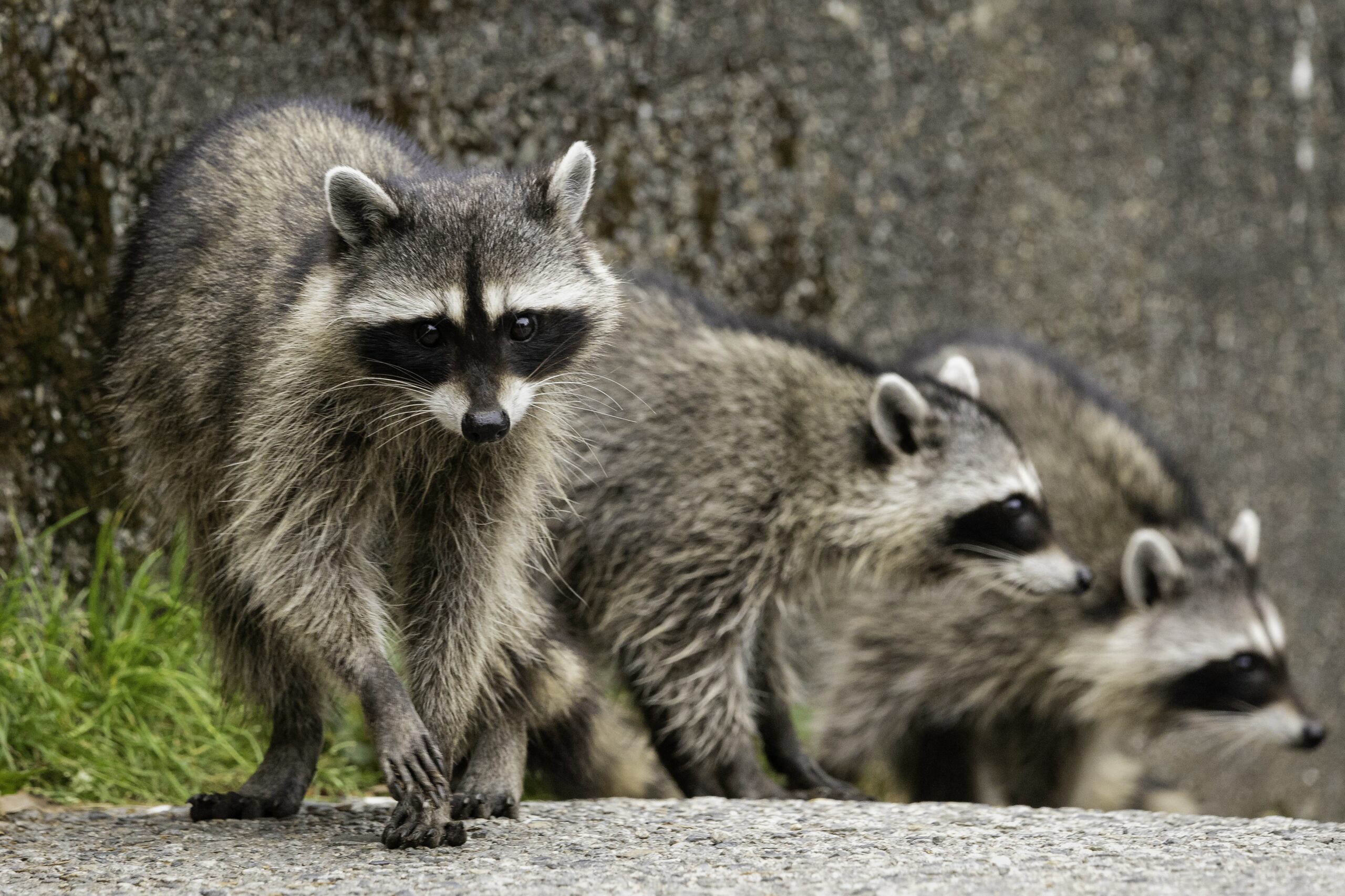
Can You Keep A Raccoon As A Pet
Ever contemplated adopting a raccoon as a pet? Delve into this comprehensive guide examining the challenges, legality, and fascinating traits of these creatures.
-
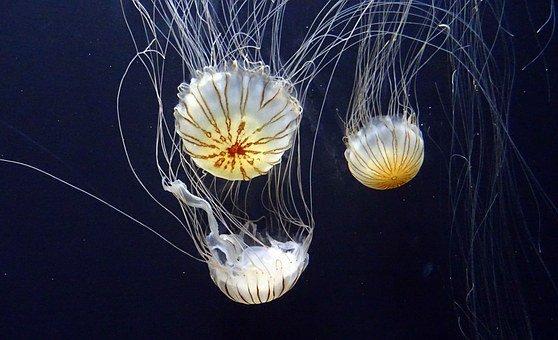
Do Jellyfish Live in a Group? (And what are they called)
A sudden appearance of a group of jellyfish swimming is referred to as a bloom. The term “bloom” refers to a sudden inflow of vast numbers of jellyfish into a relatively small area. The spring season is typically when jellyfish begin to create their benthic polyps. It is during this time that there is a…
-
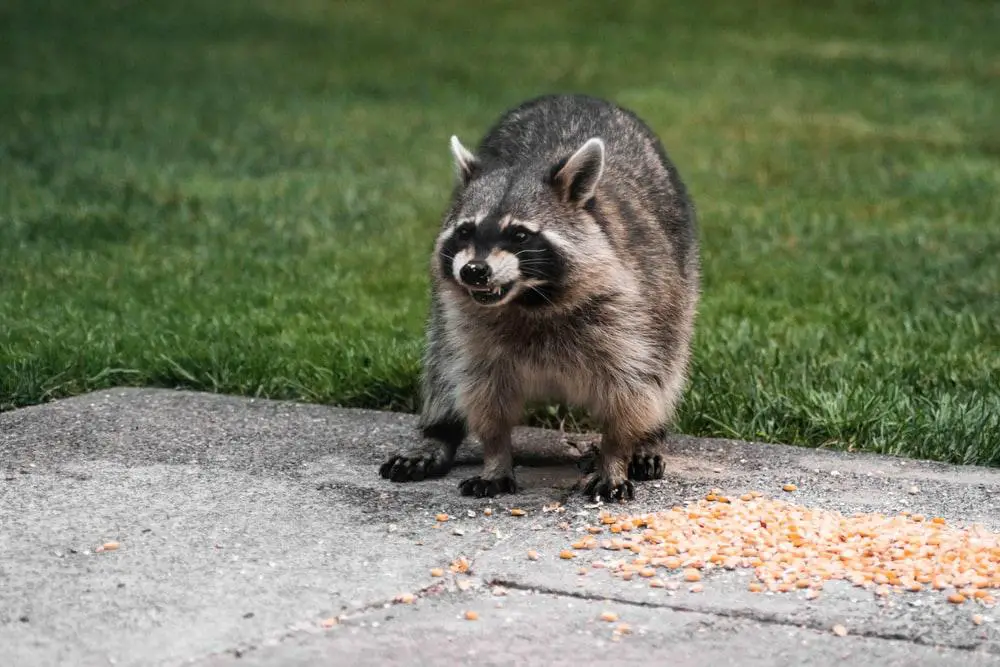
Do Raccoons Eat Skunks?
The raccoon is a mammal native to North America. It is the largest member of the procyonid family, ranging in length from 16 to 28 inches and weighing between 5 and 26 kilos. Its grey coat is mostly made up of thick underfur, which keeps it warm in the winter. The raccoon’s extraordinarily dexterous front…
-
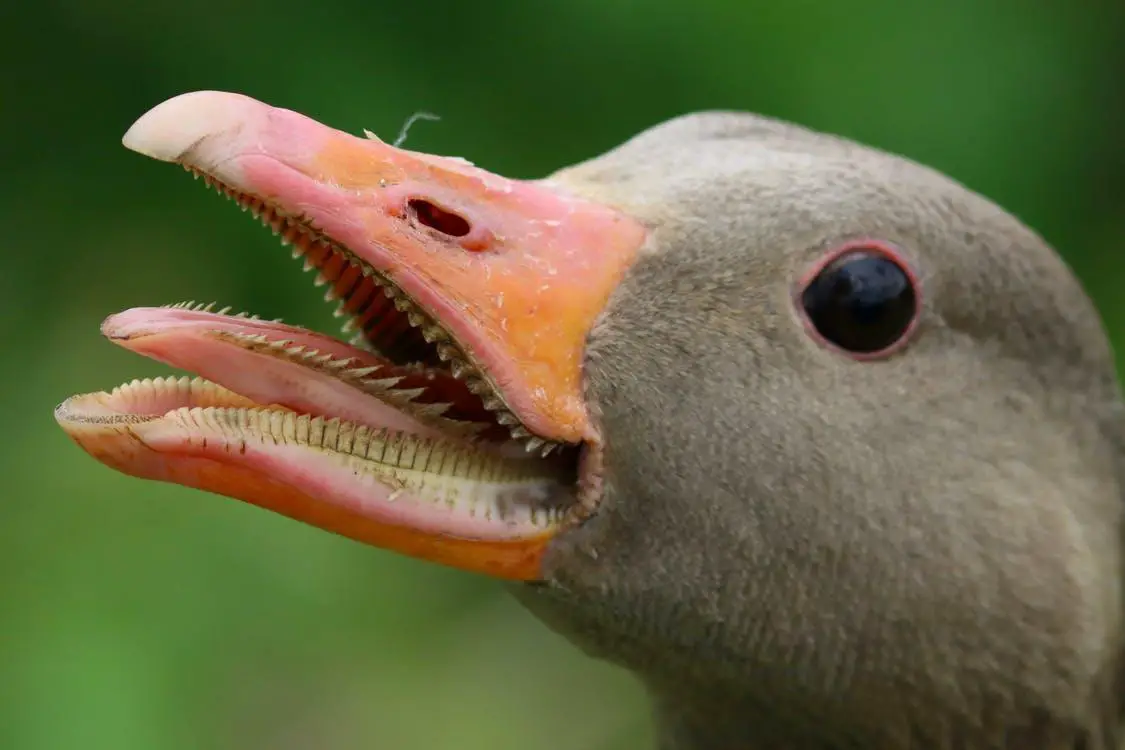
Do all birds have tounges? With Pictures
Yes, It Is True That Birds Have Tongues. The tissue that is seen in tongues originally showed up in the mouths of ancient fish that has been around ever since terrestrial organisms have been around. There are many different evolutionary orders of tetrapods, and each one is highly different from the others. The tongue serves…
-

What is the Difference Between a Wolverine and a Wolf?
In comparison to wolves, wolverines are considerably smaller and less powerful animals. They are members of the family Mustelidae. Their heads are rounded, their legs are short, their paws are huge, and their tails are short. Their length ranges from 25 to 35 inches, and their weight ranges from 20 to 55 pounds. They resemble…
-

Can Giraffes Throw Up? Explained
Giraffes have a tendency to be sick on a regular basis, but not in the same way that humans do. They are more like cows in that they allow the first of their stomach’s four chambers to do some of the breaking down of their food before regurgitating it back into the mouth, where it…