
Category: Aquatic Animals
-

How do coral reefs support biodiversity?
Coral reefs are key to supporting biodiversity. They make up less than 1% of the ocean floor but are home to over 25% of all marine life. These ecosystems are vital for thousands of marine species, including about 4,000 types of fish. They offer shelter, food, and places to breed, making them essential for marine…
-
How are horseshoe crabs important to medical research?
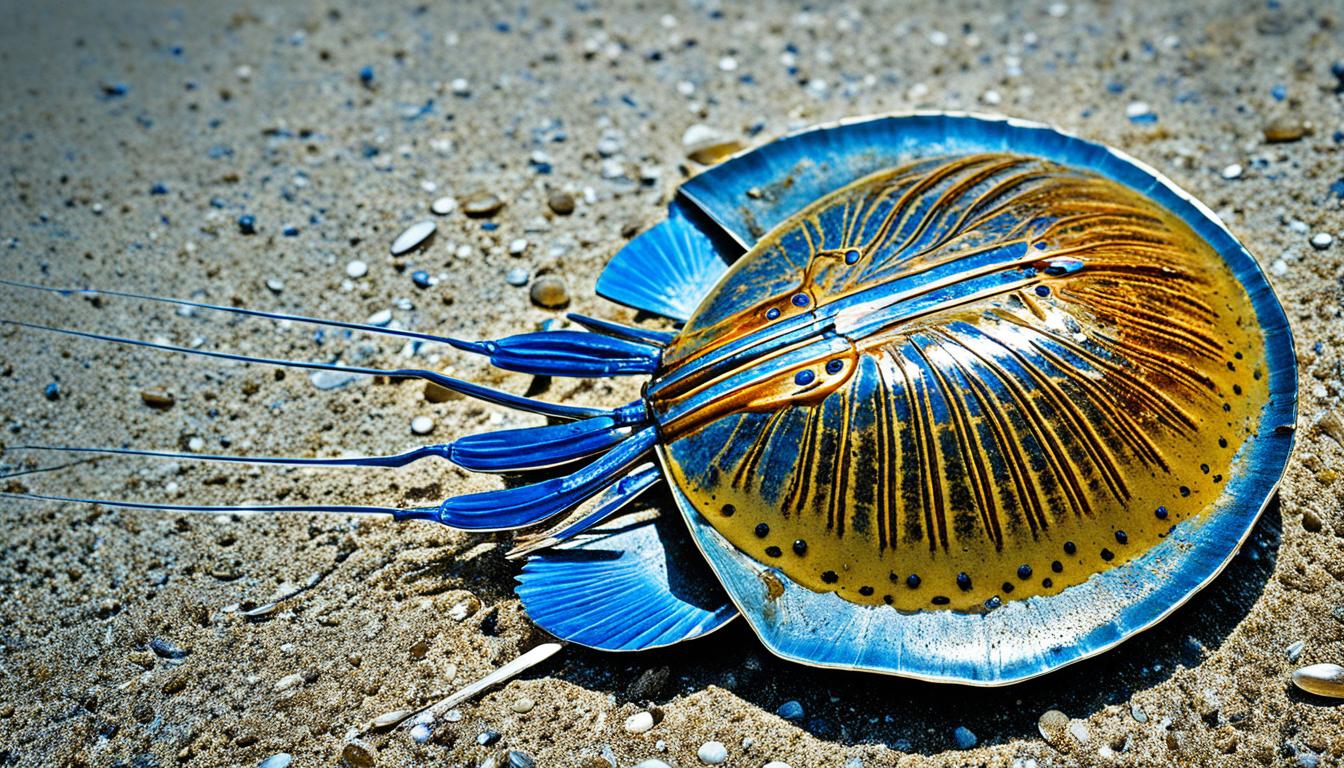
Horseshoe crabs are key to medical research. Their blue blood is packed with a protein called Limulus Amebocyte Lysate (LAL). This protein is vital for checking for harmful bacteria in medicines and medical tools. This helps keep patients safe and is a big step in fighting infections. As we look for safer and more effective…
-
How do corals reproduce?
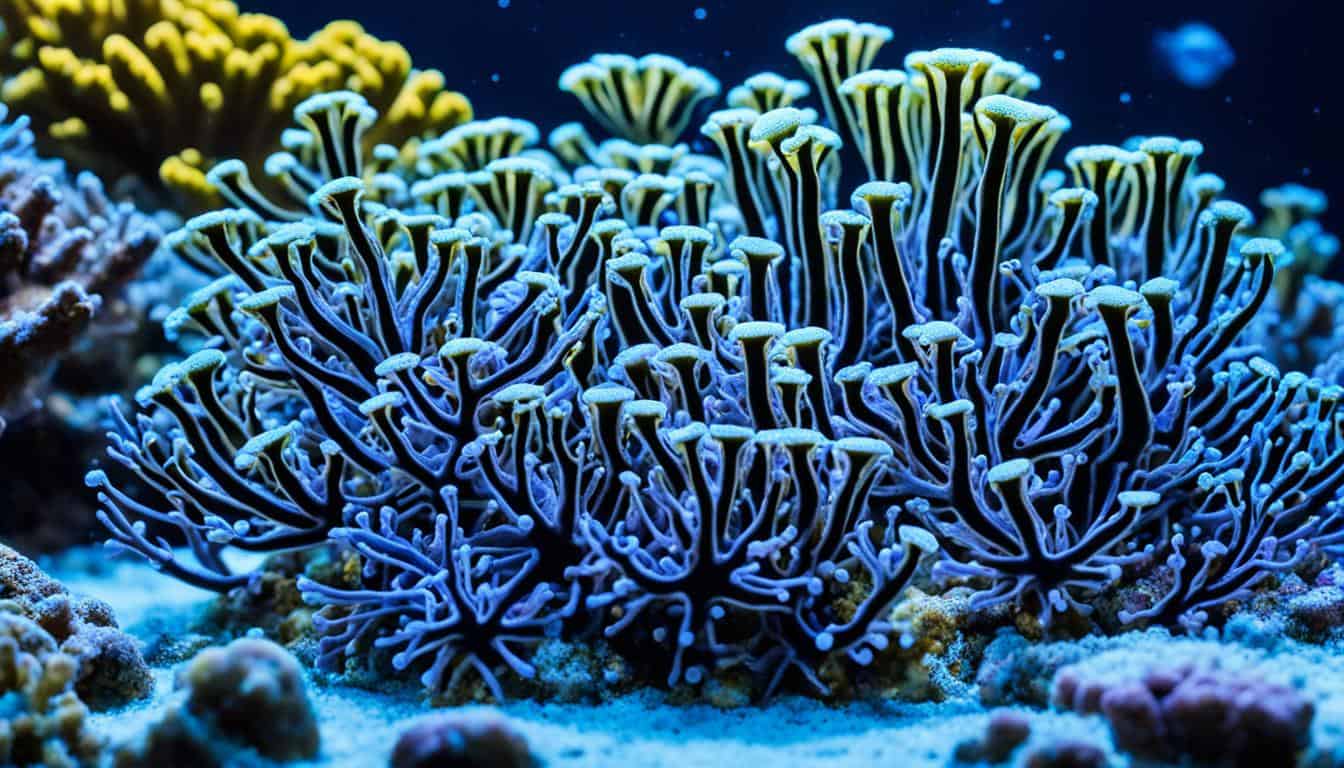
Corals have amazing ways to reproduce that help them survive and keep marine ecosystems healthy. They use two main ways to reproduce: asexual and sexual. Asexual reproduction happens when new polyps grow from old ones, helping the colony grow fast. Sexual reproduction, on the other hand, involves making male and female gametes, leading to coral…
-
How do corals build reefs?
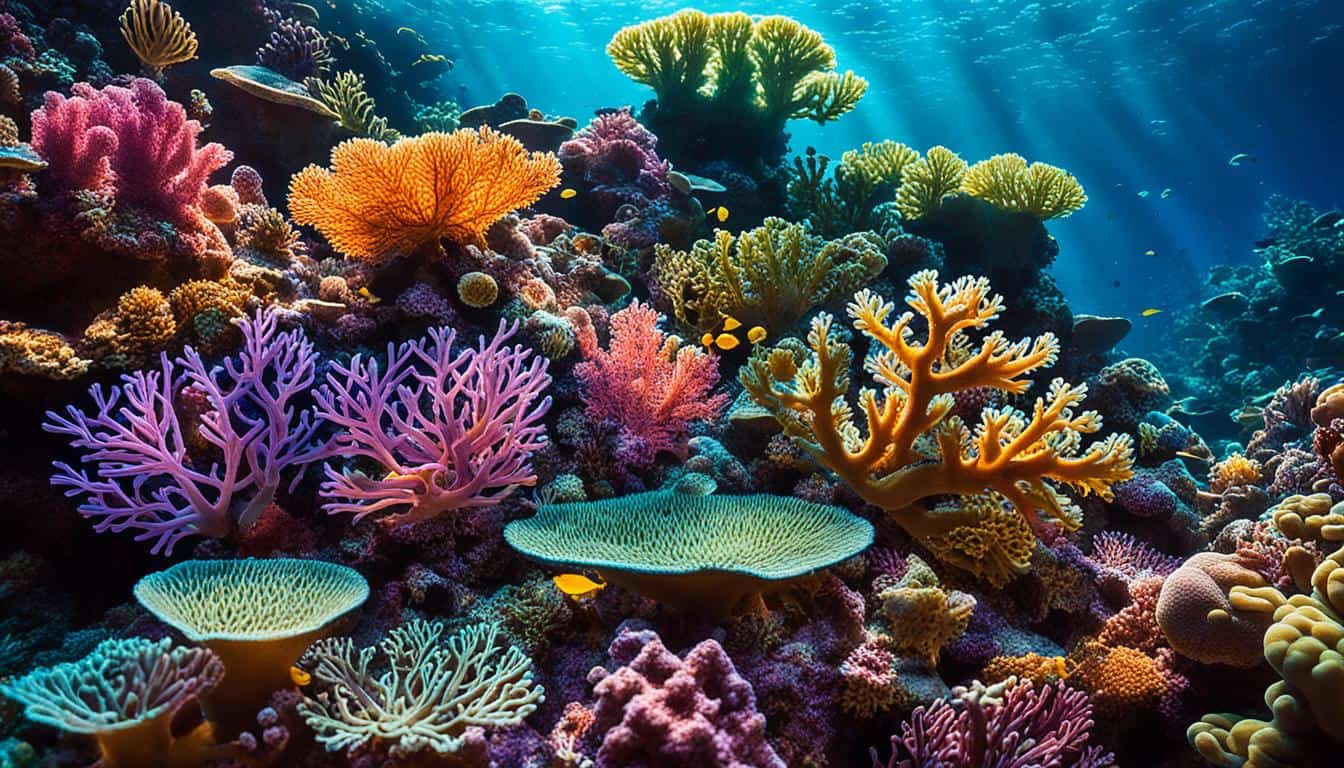
Coral reefs are vital and diverse ecosystems, crucial for marine life. They start with tiny coral polyps that build reefs over thousands of years. These polyps make a hard structure by secreting calcium carbonate. This process helps reefs grow and provides homes for many sea creatures. Learning about this shows us why coral reefs are…
-
How are sea cucumbers harvested?
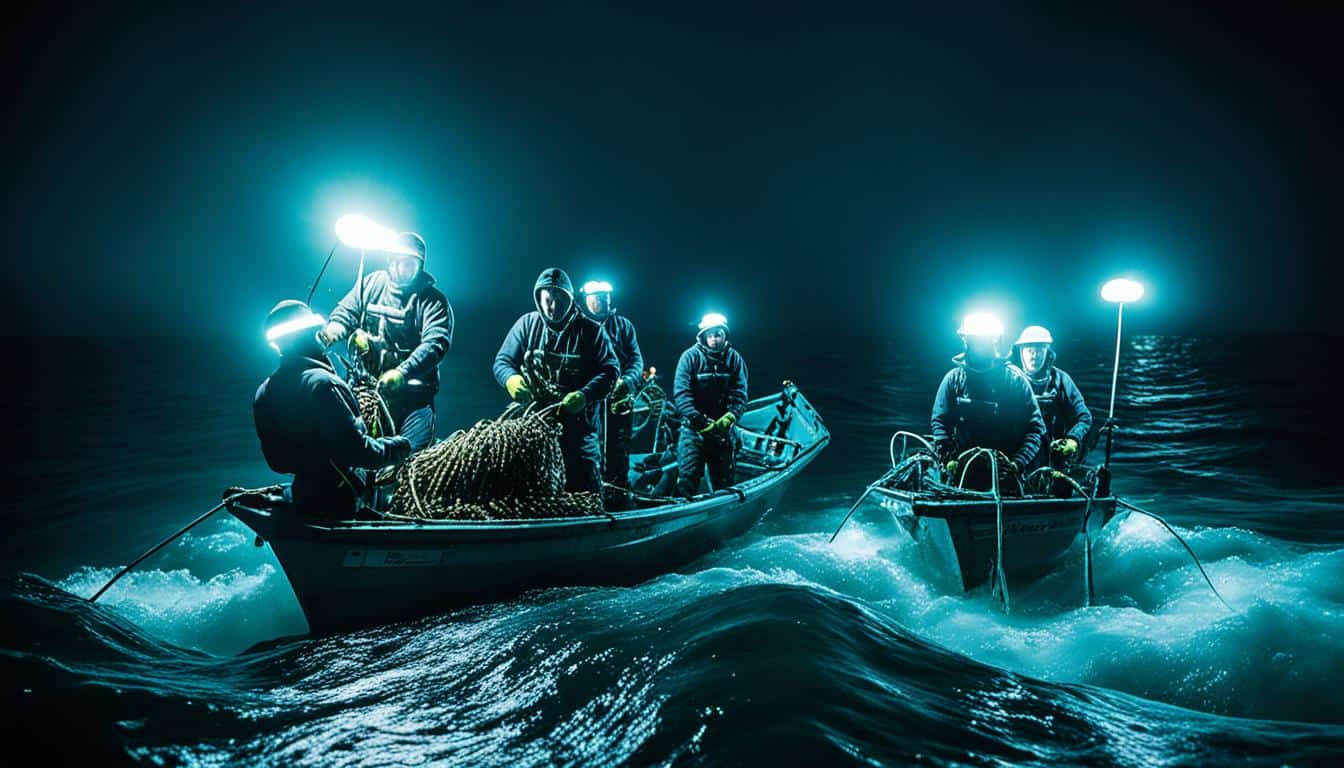
Sea cucumbers are fascinating marine creatures that play a vital role in our ecosystems. They are harvested in ways that matter a lot, especially since they are important for both the environment and the economy. Many people are curious about how sea cucumbers are caught, especially with their growing demand in Asian markets. This growing…
-
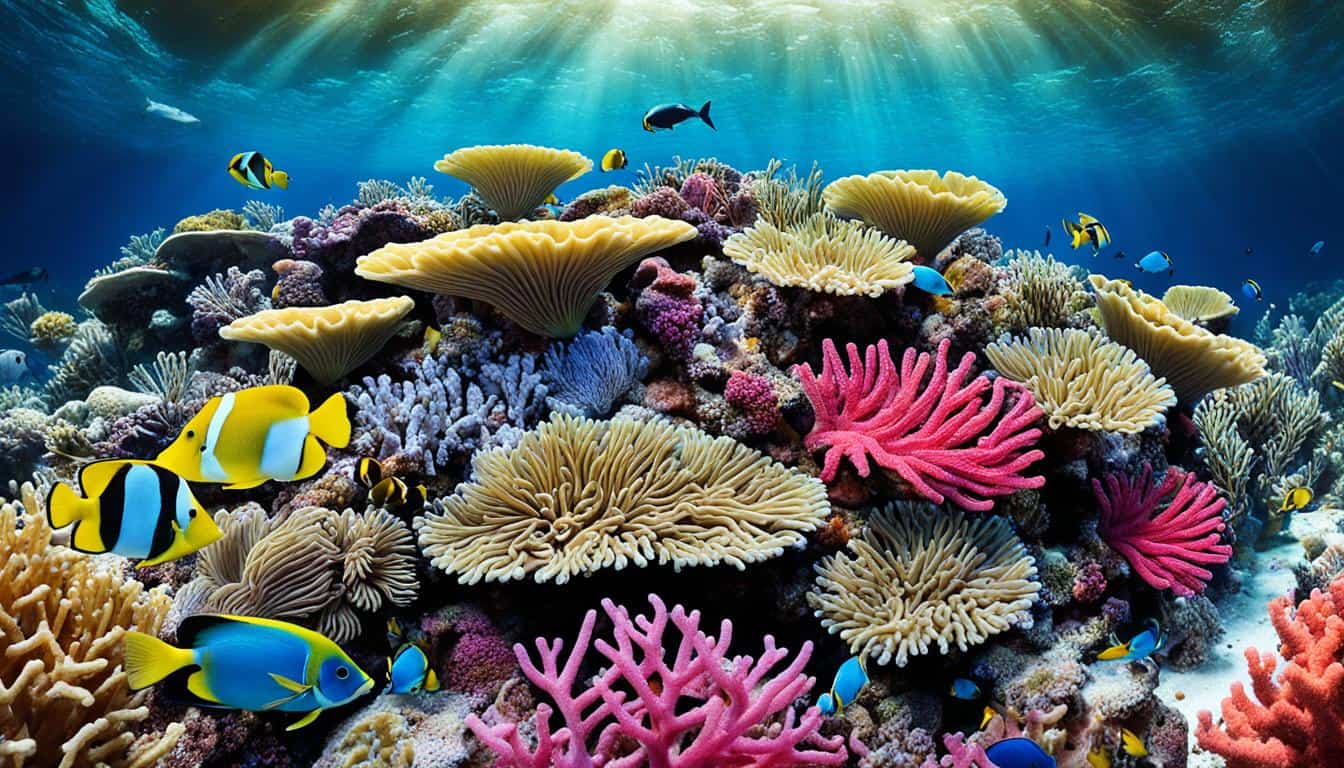
How do corals interact with other marine life?
Coral reefs are often called the “rainforests of the sea” because they are so diverse. They support about 25% of ocean fish. These fish depend on coral ecosystems for shelter and food. It’s important to know how corals work with other sea creatures. They have a special relationship with zooxanthellae, which help them survive. But,…